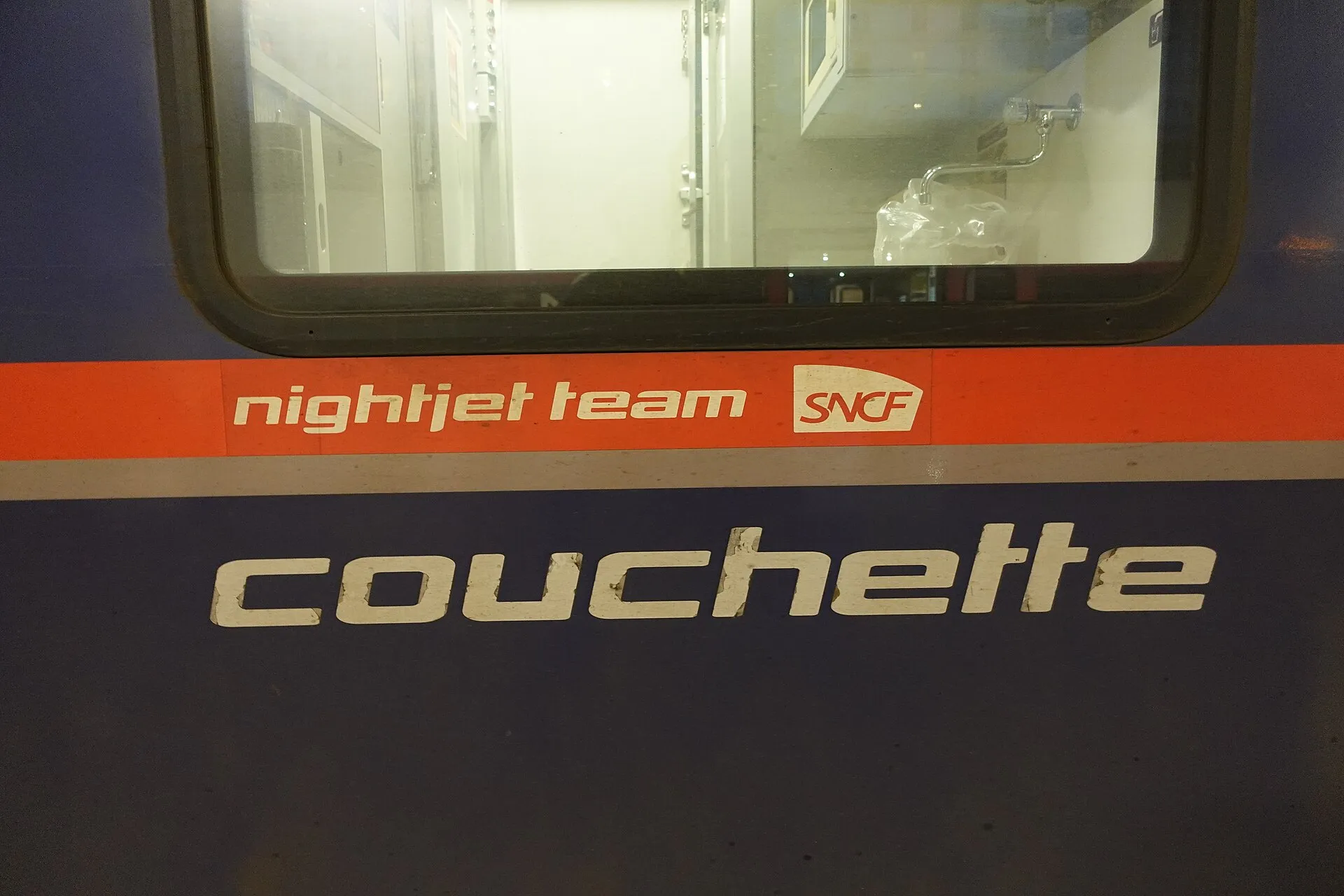
The conductor handed her the ticket as if apologising for it.
“Sorry, madam, but the only bed in the sleeper carriage is the upper bunk. A man is below.”
Vera looked at the ticket, then the corridor, then the conductor, and thought that this was exactly the kind of thing that had happened to her in the past two years: always almost right.
“It’s all right,” she said. “I’ll sleep.”
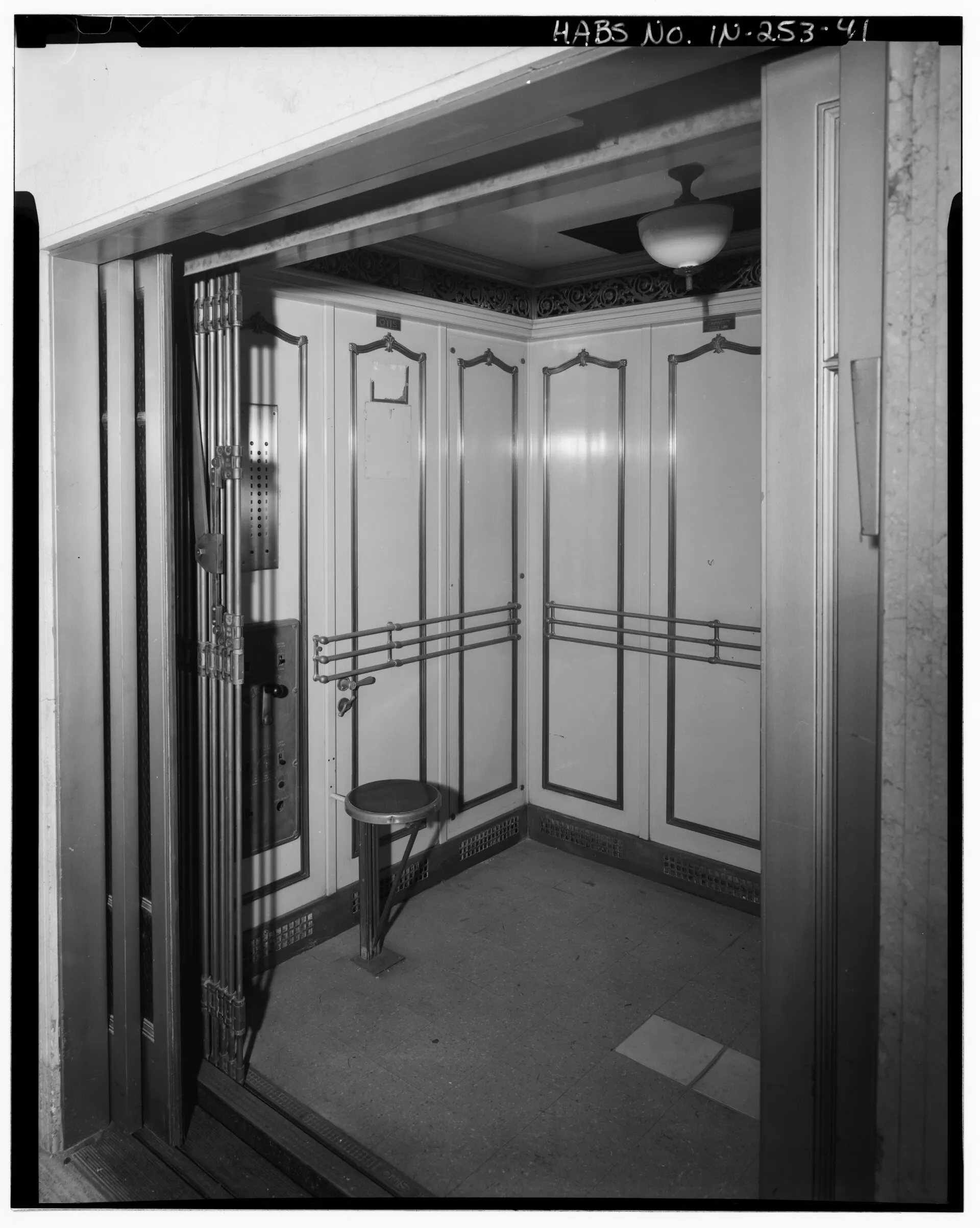
The compartment was small, warm, and wooden — a real wooden carriage, old, with brass handles. The kind of train you cannot get off. On the lower bed a man sat with a book, and when Vera came in he stood up and moved aside, as far as anyone can move aside in a sleeper carriage.
“Good evening,” he said. “Please, don’t let yourself be disturbed. I read anyway.”
“Thank you.”
Vera climbed up to the upper bunk, like a drawer, and lay down, listening to the train starting from Vienna. In the dark then for twenty minutes neither spoke. Only the noise of the rails, the metal clicking, and the turning of the man’s book pages.
Then the man spoke.
“If you can’t sleep,” he said, “say so. I have a bottle of wine, and I don’t like opening it alone.”
Vera looked at the ceiling — the ceiling of the compartment, ten centimetres above her head.
“Why not?”
“Because a person drinks the bottle in the belief that they have shared it with someone.”
Vera smiled in the dark.
“That is frighteningly precise,” she said.
“I’m an architect,” said the man. “Precise things are my profession.”
Vera slid down the ladder. The man had already poured, into two plastic cups, because in the sleeper there is no glass cup, only the memory of having once had one. They sat facing each other, their knees nearly touching, and under the yellow light of the compartment both looked as if they had been travelling together for weeks.
“Vera,” he said.
“Áron.”
“And why are you travelling to Venice, Vera, at night, in a sleeper, alone?”
“Because I left a job where for eleven years they said I was reliable. And because I didn’t want to fly. On a plane a person reaches too quickly, and then must face why they went.”
Áron nodded, and did not ask anything further. That was the first thing Vera liked about him.
Then she asked.
“And you?”
“I measure churches.” Áron put his hand on his book. “Old, poor-condition churches, and I say what can be done with them. Right now a chapel in Venice. It has stood for two hundred years, and in the last sixty no one has touched it.”
“Sad.”
“No.” Áron smiled. “Hopeful, rather. If something has endured for sixty years without anyone caring for it, then it has a chance.”
Vera put her cup on her knee and suddenly felt that the sentence was not only about the chapel, and that she did not want to smile politely at it.
“You are talking about me now,” she said.
“Maybe,” said Áron. “But not on purpose.”
The train went into a tunnel, and in the compartment everything suddenly became louder: the air, the heartbeat, the cup as their knees touched. Then they came out, and the moonlight ran across the window, blue, cold, beautiful.
“I have a rule,” said Vera quietly. “That in the dark I don’t say anything I’ll regret in the morning.”
“Good rule.”
“But I’m breaking it now.”
Áron said nothing. He only waited, the way a person waits for the ice that has not yet broken.
“For eleven years I lived so that every morning I knew what would happen. And tonight, in this compartment, I felt for the first time that I don’t know. And I’m not afraid of it.”
Áron put his cup down.
“Vera,” he said, “tomorrow morning I will get off in Venice and go into a chapel and measure the walls. That is my plan. There is nothing in it that would make a woman think she is worth knowing.”
“I didn’t ask what your plan is.”
The silence of the compartment grew so thick that a person could almost touch it. Then Áron reached forward and took Vera’s hand — he did not squeeze it, he only held it, his palm on hers, between the two plastic cups.
“This is not happening in the dark,” he said. “Because I see you.”
Vera did not pull her hand away. They sat like that for a long time, and the train carried them towards the Alps, and between the mountains the moon moved across the window like someone travelling with them in the same compartment.
At dawn, when the light turned pink and the first Italian signs appeared, Vera woke up. Áron slept on the lower bed, and one of his arms was in the air, as if holding something. Vera looked at him for a long time, then went down the ladder and quietly stepped to the door of the compartment.
Then she turned back, and put her ticket, which she had written her phone number on the back of the evening before, into his book that he had left on the table. She did not know why she did it. She just knew that if she got off now and did nothing, this night would be like all the other almost-good things in her life.
At the Venice station they parted. Áron went left, towards the chapel. Vera went right, towards the canals.
But ten minutes later Vera’s phone buzzed.
An unknown number. And a message that said only:
“The number is on your ticket. I have broken the rule too. — Áron”
Vera stopped on the middle of the bridge, where the sun was shining warm on the water, and laughed — the way a person laughs when they feel lost and at the same time feel finally in the right place.