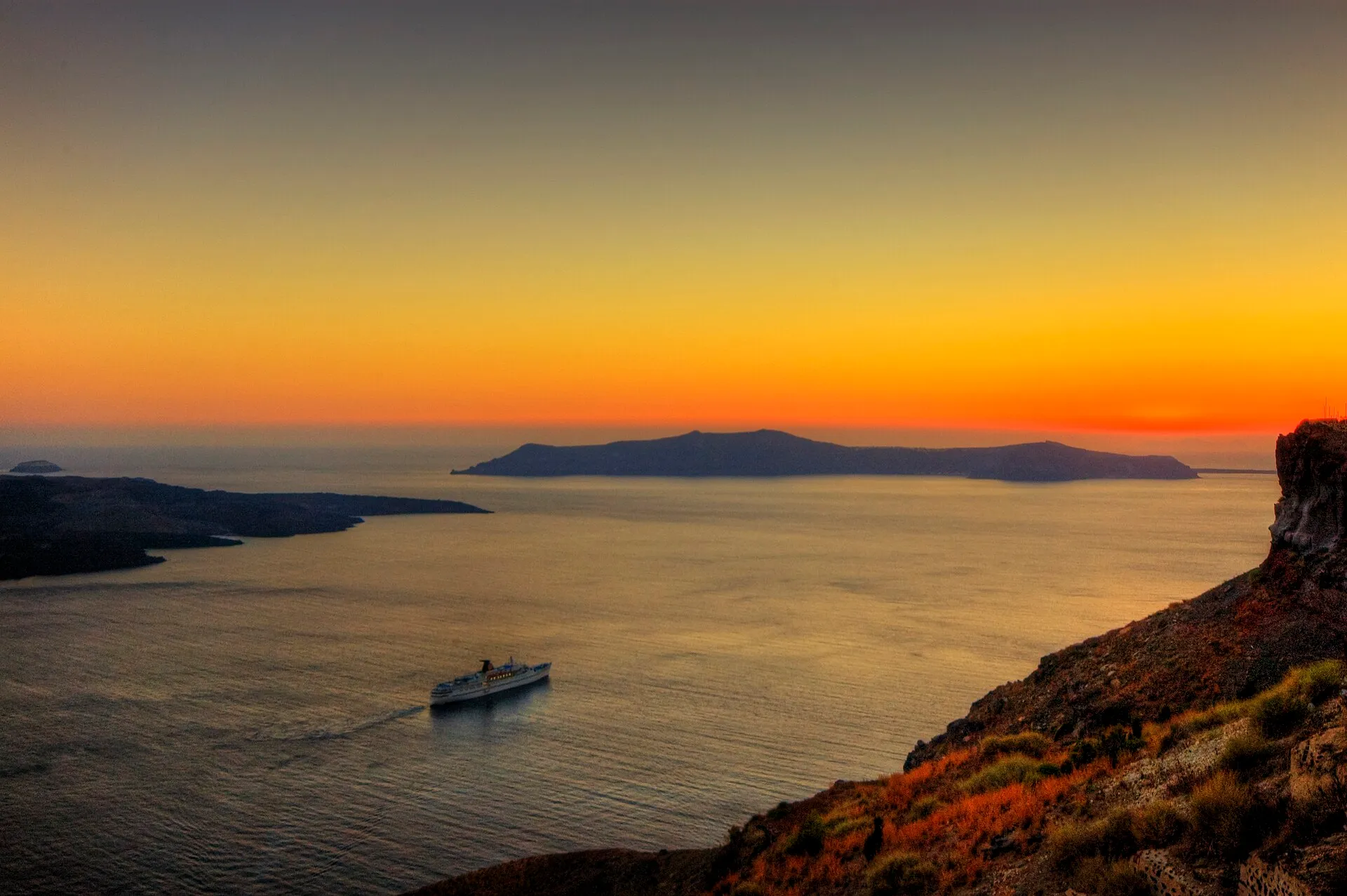
The ferry left at ten to eight in the evening, and Léna reached the pier at seven minutes to eight, breathless, her sandals in her hand, and watched the boat pull out of the harbour, the lights on its stern growing smaller and smaller.
Then she sat down on the edge of the pier and did not cry, because she was a grown woman, but only looked at the water, which was black and oily, and wondered what happened now.
There were two hotels on the island, both full, and one tavern, and she knew the kind of panic that belongs to organised people: the trouble is not that you are lost, but that you did not plan to get lost.
“It’s gone.”
Léna looked up. A man was standing behind her, in jeans, his hair wet, a towel over his shoulder, and he spoke like someone in no hurry to be anywhere.
“I can see that,” said Léna.
“The next one is at seven tomorrow morning.”
“Wonderful.”
The man sat down beside her on the pier. He did not ask whether he might. He simply sat, his legs hanging over the water, and it was the kind of easy familiarity that in a foreign country is either outrageous or reassuring, and Léna had not yet decided which.
“Have you got somewhere to stay?” the man asked.
“No.”
“Then I have a suggestion, but I warn you, it isn’t a decent one.”
“I’m listening.”
“I have a house on the other side of the hill. Two rooms. I sleep in one; there is nothing in the other but a bed. I am not inviting you, because that would be rude. I am only letting you know it exists.”
Léna looked at him. He was somewhere near thirty-eight. Sunburnt, serious, and tired in some way.
“Why tell me, if you’re not inviting me?”
“Because I can see you don’t know what to do,” said the man, “and because I was like that too. I came here two years ago for a week, and I still haven’t left.”
“What’s your name?”
“Tamás.”
“Léna.”
Tamás nodded, stood up and settled the towel on his shoulder.
“It’s the white house, by the fig tree. If you come, you come. If not, I’ll be down at the pier at seven in the morning, and I’ll wave to you as if I had never seen you before.”
And he went.
Léna sat there another ten minutes. Then she stood up, put her sandals on and set off towards the hill, because it had occurred to her that the best thing about organised people is that when they finally stop planning, they are very good at not planning.
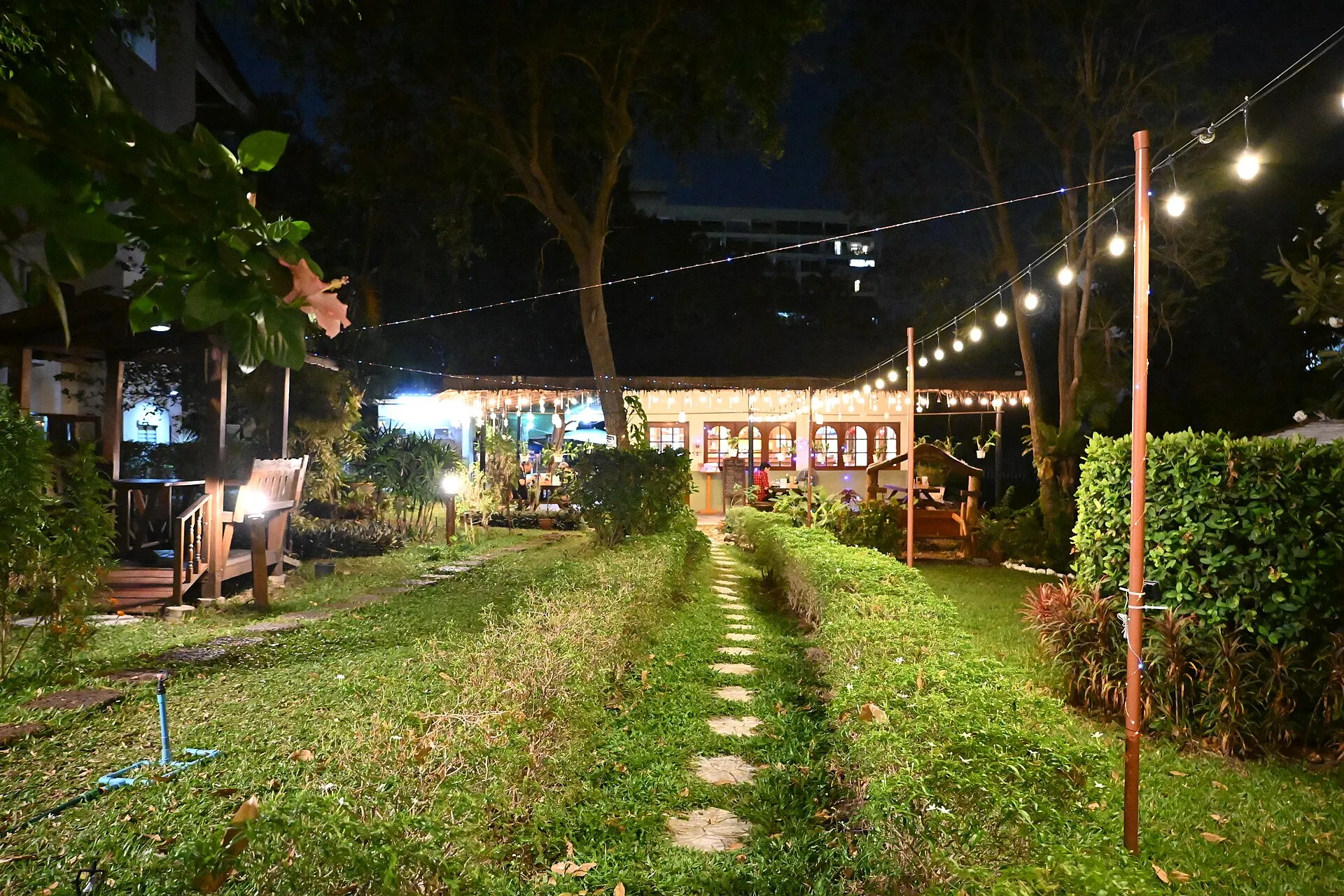
The house was white and small, and on its terrace two chairs stood side by side, turned towards the sea. Tamás was in the kitchen, and when he heard footsteps he came out, and he did not smile, he only nodded and said:
“Second door. There’s a towel on the shelf.”
That was all. There was nothing more in it.
That evening they had supper on the terrace: tomatoes, cheese, olives, bread, and a bottle of white wine that Tamás took out of the fridge with the words, “it’s local, and it isn’t good, but you get used to it”. Léna leaned back in her chair and looked at the sea, which at seven in the evening is silver, at eight pink, and at nine so blue that you cannot believe it has not been painted.
“Why didn’t you leave?” she asked.
Tamás turned the wine in his glass.
“Because here I didn’t have to explain anything to anybody.”
Léna understood. She asked nothing more.
Later, when the wine was gone and the only sounds on the island were the crickets and a dog somewhere far off, Léna asked:
“And what’s your story? The real one.”
“There isn’t a real one,” said Tamás. “Only that at home everyone wanted me to be somebody. Here nobody wants anything from me. That isn’t sad. It’s the best thing that has ever happened to me.”
Léna was quiet for a long time.
“And I came because two months before my wedding I said no,” she said. “Everyone thinks the hard part is saying no. The hard part is doing nothing afterwards.”
Tamás turned towards her, and for the first time his eyes were entirely present.
“Then it was a good thing you missed the ferry,” he said.
Léna laughed out loud, really laughed, and the laugh came back off the white walls. Tamás laughed too, and then and there, between the two chairs, above the wine and the dark sea, they kissed. There was no hurry in it. It was like sitting down at last after a long day.
At six in the morning Léna woke. In the second room, on the bed, with the window open and the sound of the sea, and with the feeling that she did not know exactly where she was, and that it did not matter.
The ferry left at seven.
Léna got up, dressed and went out to the terrace, where Tamás was already sitting with the coffee and two mugs, looking at the sea.
“You’re going to miss it,” he said.
“I know,” said Léna, and sat down in the second chair.
Tamás did not ask why. He only pushed the coffee across, and they both watched the ferry pull out of the harbour and the lights disappear over the horizon.
“The next one is at seven tomorrow morning,” said Tamás.
“Then seven tomorrow morning.”
And she did not say it like a threat, but like a plan — the first one she had made on purpose in weeks.