Tales Across Ten
The Attic Mystery
In her grandmother's attic Zsófi finds an old trunk with a map inside. A three-chapter mystery for ages 9–11, with a solution.
Reading time: 5 minA ten-year-old reader does not want a fairy tale any more — they want an adventure they can stand inside. This collection goes up into attics, out to bus stops and into summer back gardens, where there is always one mystery that has to be solved.
Every story is split into three short chapters: short enough for a child to finish alone, and exciting enough that they ask at the end: is there more?
Reading time: 5–8 minutes per story. The chapters work on their own too.
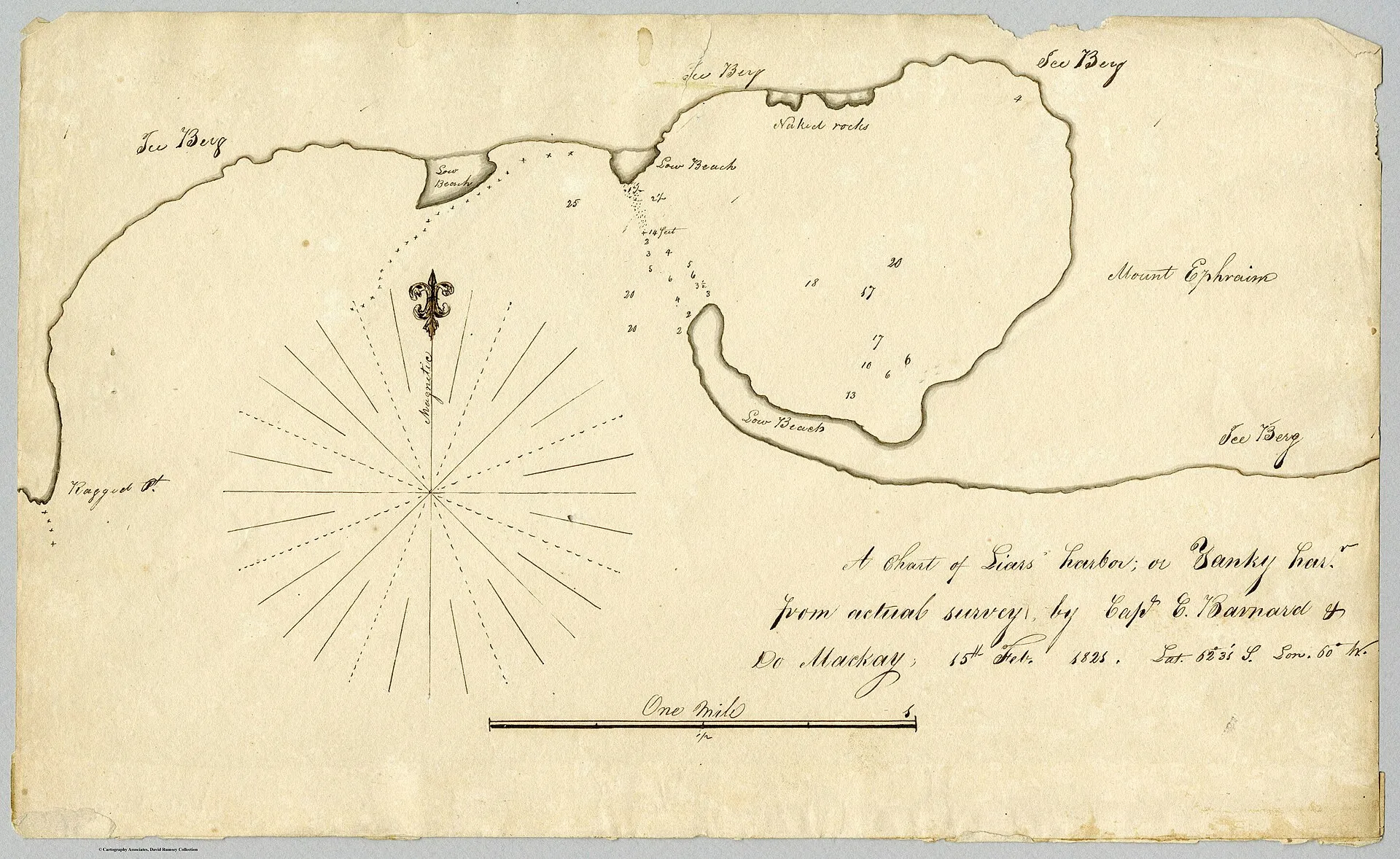
In her grandmother's attic Zsófi finds an old trunk with a map inside. A three-chapter mystery for ages 9–11, with a solution.
Reading time: 5 min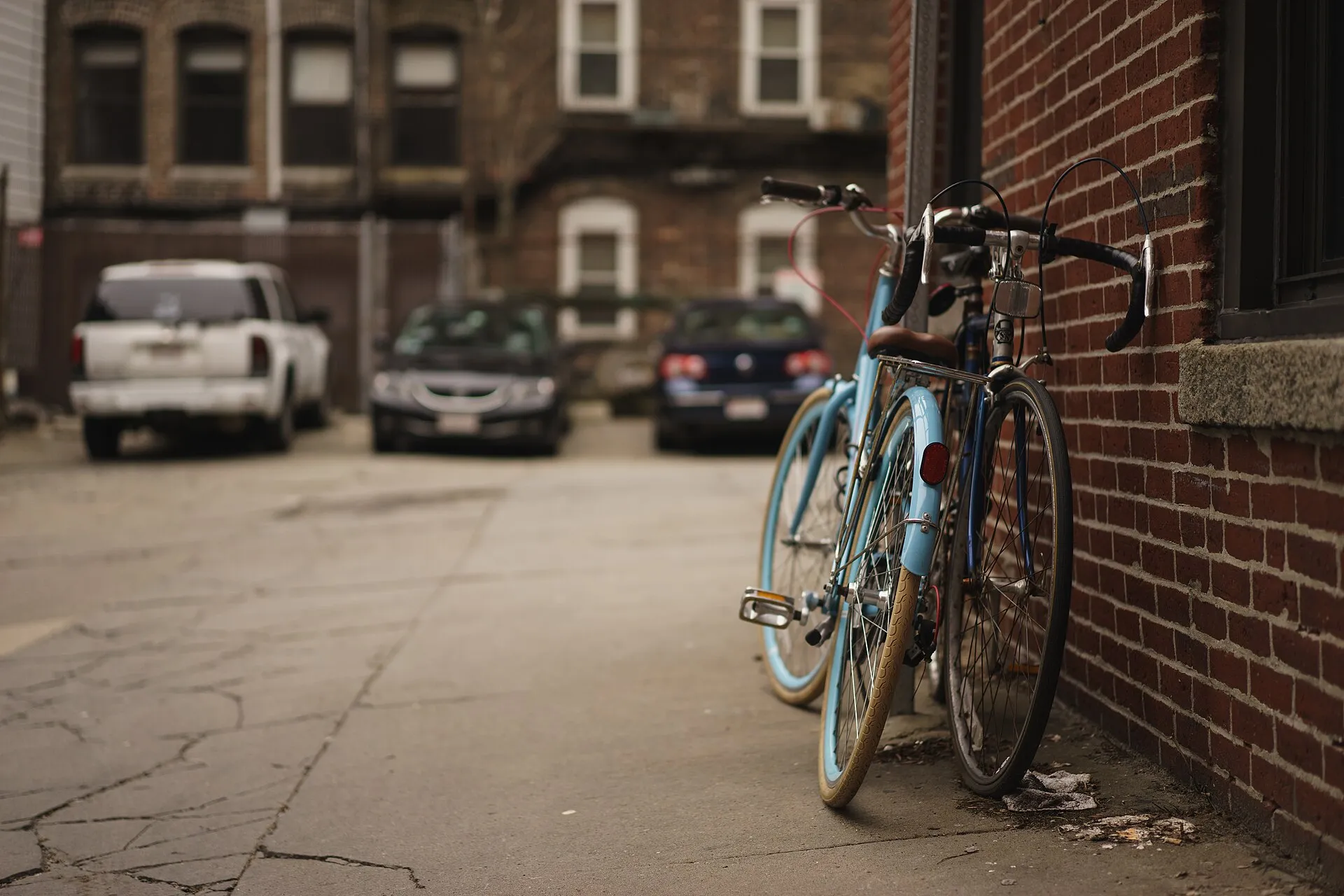
My bicycle disappears from in front of the building, and nobody saw anything. A three-chapter mystery for ages 9–11, with detective work and a solution.
Reading time: 6 min
One mongoose, two cobras and a garden that has to be defended. A retelling of Rudyard Kipling's 1893 story for ages 9–11, in three chapters.
Reading time: 6 min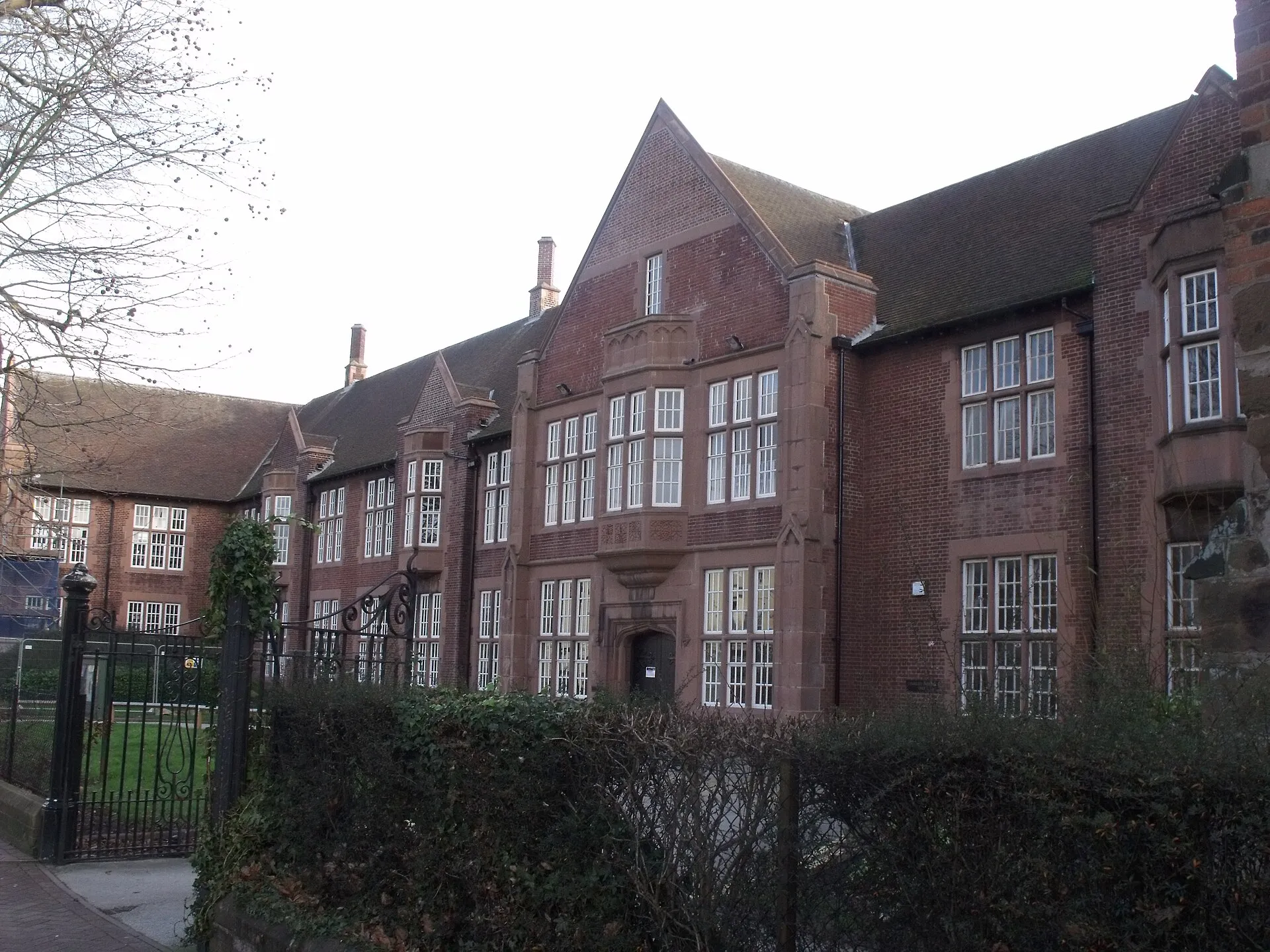
A crooked brick in a cellar wall. Behind it, a corridor, a notebook, and the names of twenty-four children. Mystery for ages 9–11.
Reading time: 7 min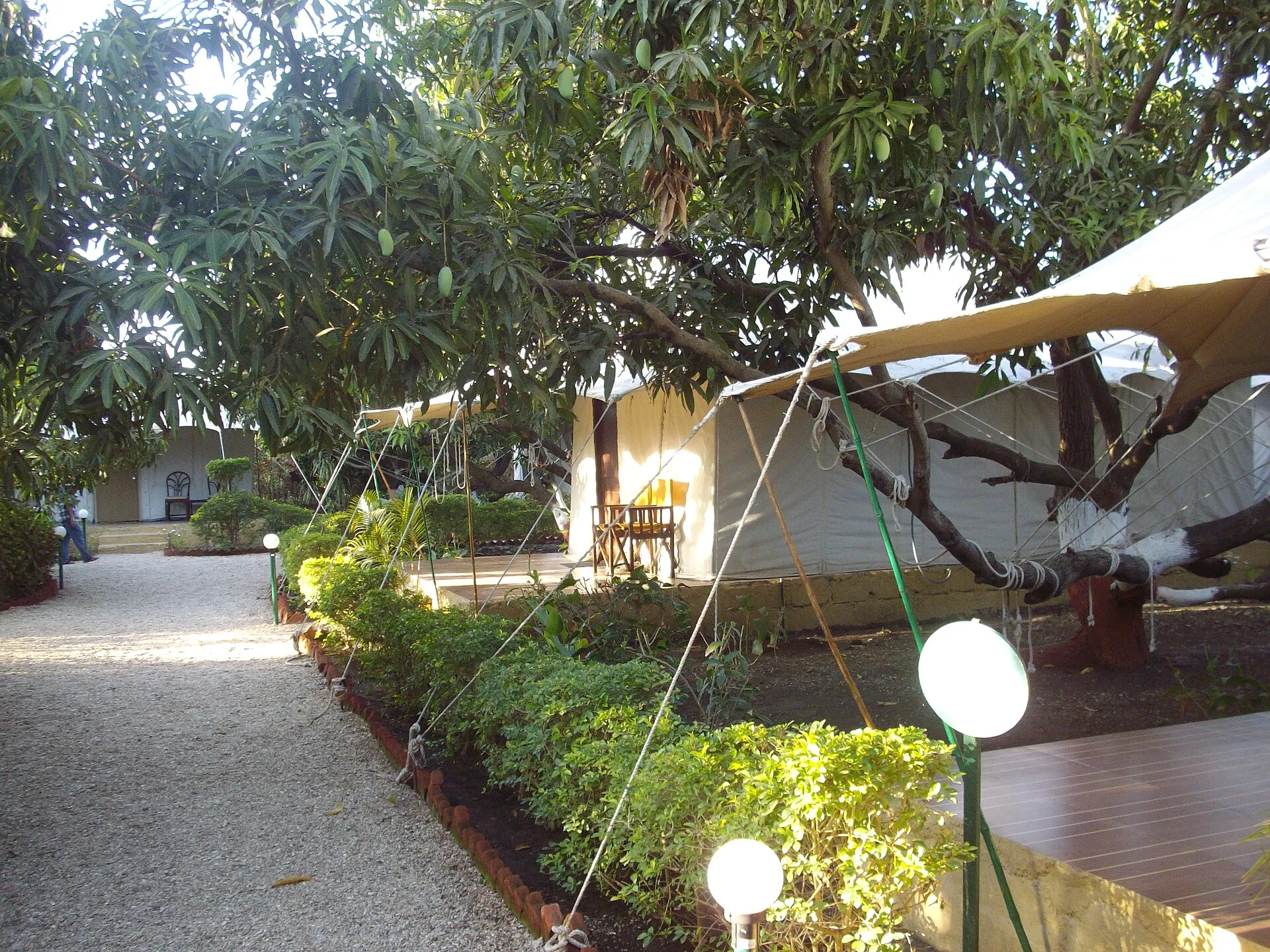
At summer camp something disappears from the shared tent every night, and nobody sees anything. A three-chapter mystery for ages 9–11.
Reading time: 6 min
Jack trades the cow for a handful of beans, his mother throws them out of the window — and by morning a stalk has grown to the sky. A retelling of the classic English tale from Joseph Jacobs's collection.
Reading time: 5 minFor nine to eleven-year-olds who already read fluently and who like adventure or a mystery.
500–900 words, split into three short chapters — so a child can read one chapter on their own.
There is tension, but it always comes with a solution: the child in the story finds the answer. No violence, and no hopeless endings.
Absolutely — the short chapters make them ideal for reading in turns: one chapter for the child, one for the grown-up.
It means the story is our own retelling of a work that is in the public domain worldwide: the author died more than seventy years ago and the work was first published before 1930. We credit the author on the page and explain the copyright status there. Our public domain sources page has the details.
One email a week: a new story, one short recommendation, and nothing else. Unsubscribe any time.
By subscribing you accept the privacy notice.