You could get up onto the roof of the building because the man on the ninth floor, a retired chimney sweep, had not locked the roof door in twenty years, ‘because a lock only keeps out the people who don’t really want to go up’.
At three in the morning, Pali went up. He could not sleep. That was not news; it was a way of life.
But somebody was already standing on the roof.
Pali froze. Then the other man froze too. Two grown men, three in the morning, four metres apart, frozen in place.
“Are you a burglar?” asked the other man.
“Me?” Pali was indignant. “You’re the burglar!”
“I live here. Sixth floor.”
“And I’m on the eighth.” Pali lowered his hands slowly; there was nothing in them but his flat key. “So what now?”
“I don’t know. I brought beer.”
Pali thought about it. Then he said:
“Fine. Then we won’t hurt each other.”
They sat down on the parapet, not on the edge, because neither of them wanted that, and shared the six cans of beer. The other man was Zsolt, thirty-eight years old, and he did some kind of work he did not like to talk about, and Pali did not ask. They both knew the rule: at three in the morning a man either keeps quiet or tells the truth.
And then Zsolt invented the game.
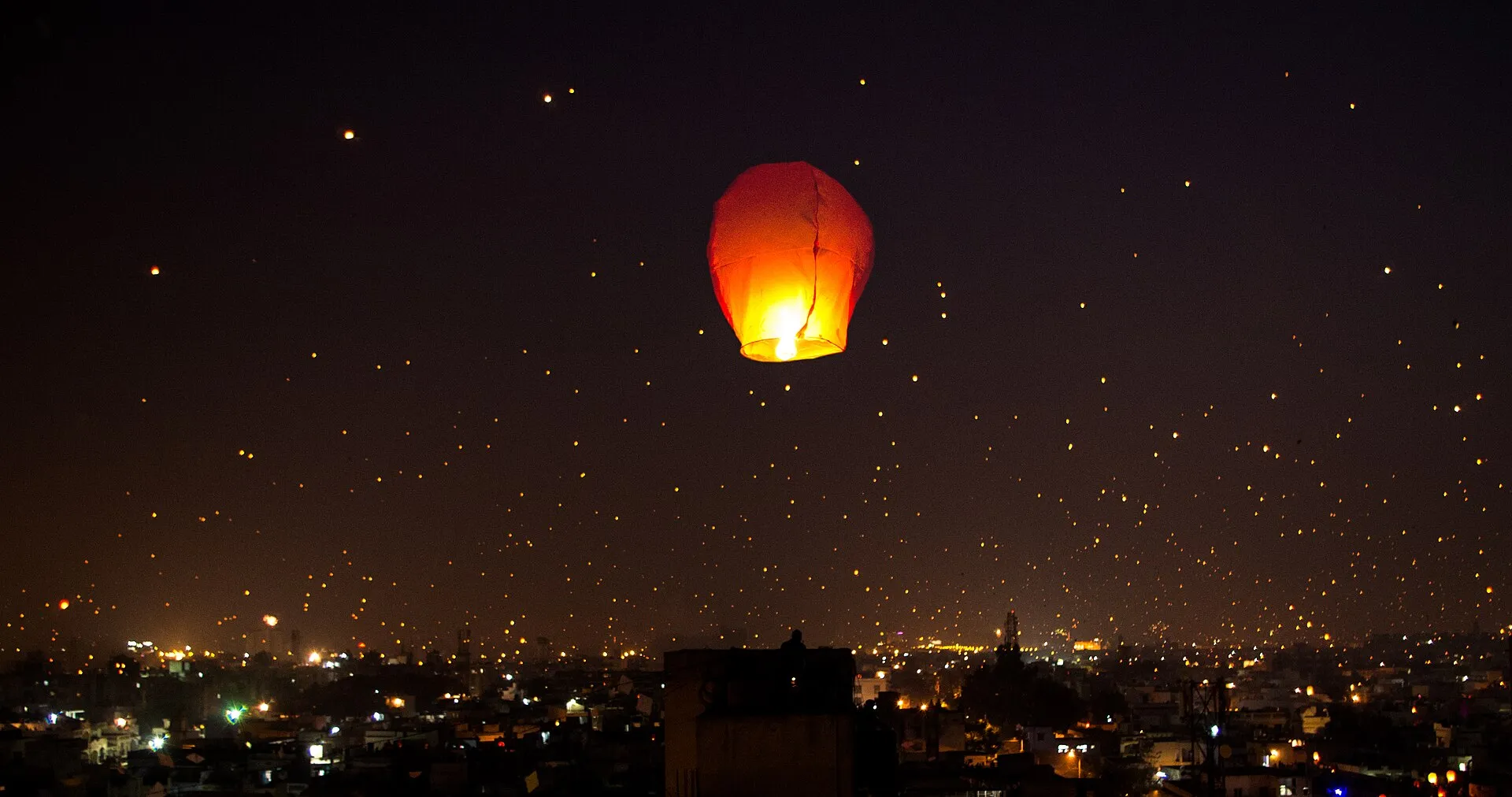
“Look,” he said, pointing at the building opposite. “Every window is a person. Let’s work out what they’re doing.”
“That’s a stupid game.”
“It is. But you’re up here at three in the morning too, so you can’t complain.”
Pali laughed. And they played.
The window on the fourth floor, with the green curtains: ‘There’s a woman watching her series, and she thinks nobody knows.’ The yellow one on the seventh: ‘There’s a man ironing. At dawn. Because he can’t sleep, and ironing is the one thing that lets him feel useful.’ The little one on the second floor, always lit: ‘There’s a baby. Or a grandmother. Or a fish.’
“A fish?”
“Thought through logically, it’s not impossible.”
Zsolt had the game. Pali had the beer. Between them they had a whole night.
Towards four o’clock Pali asked:
“Why don’t you sleep?”
“Because if I lie down, I think.” Zsolt turned the can in his hand. “And if I think, I think about something I got wrong. Nothing big. Only that I always said a little less than I should have.”
Pali nodded.
“And I don’t sleep because I’m waiting for somebody to come home.” Then he added: “They won’t. Not for eleven months now.”
They did not ask. They only sat and watched the city, which was slowly waking below them: first a bus, then the light of a bakery, then a man walking a dog, who looked like a man who knew everything about life.
“Shall we carry on with the game?” asked Zsolt.
“If you come up tomorrow too.”
“I’ll come up.”
That was how it started. Monday, Wednesday, Friday, because the rule was that they only went up when sleep really would not come, the two of them climbed to the roof and invented the city. Sometimes in silence. Sometimes arguing. Once Zsolt brought binoculars, and Pali said that this was getting frightening now.
Then one night Zsolt asked:
“Do you remember that window on the second floor? The one that’s always lit?”
“The fish one?”
“That one. Tonight the lamp wasn’t on.”
Pali looked at the building opposite. It was dark. All the other windows had light, or a curtain, or life. That one had nothing.
“Maybe they moved out,” said Pali.
“Or they finally got to sleep.”
“That too.”
For a long time they looked at the dark window, and for some reason neither of them felt that this was good news.
“If I don’t come up one night,” said Zsolt quietly, “it means I’m asleep. Good enough reason?”
“Good enough.” Pali set his beer down on the parapet. “And if I don’t come up, it means somebody came home.”
“That’s an even better reason.”
At five in the morning they went down. In the stairwell they parted: Zsolt on the sixth floor, Pali on the eighth. And both of them closed the door behind them, and both of them knew that on the roof, where the chimney sweep had not locked the door for twenty years, there were now two men who knew the same city.
The game was not about working out what other people were doing.
It was about two people being awake at the same time.