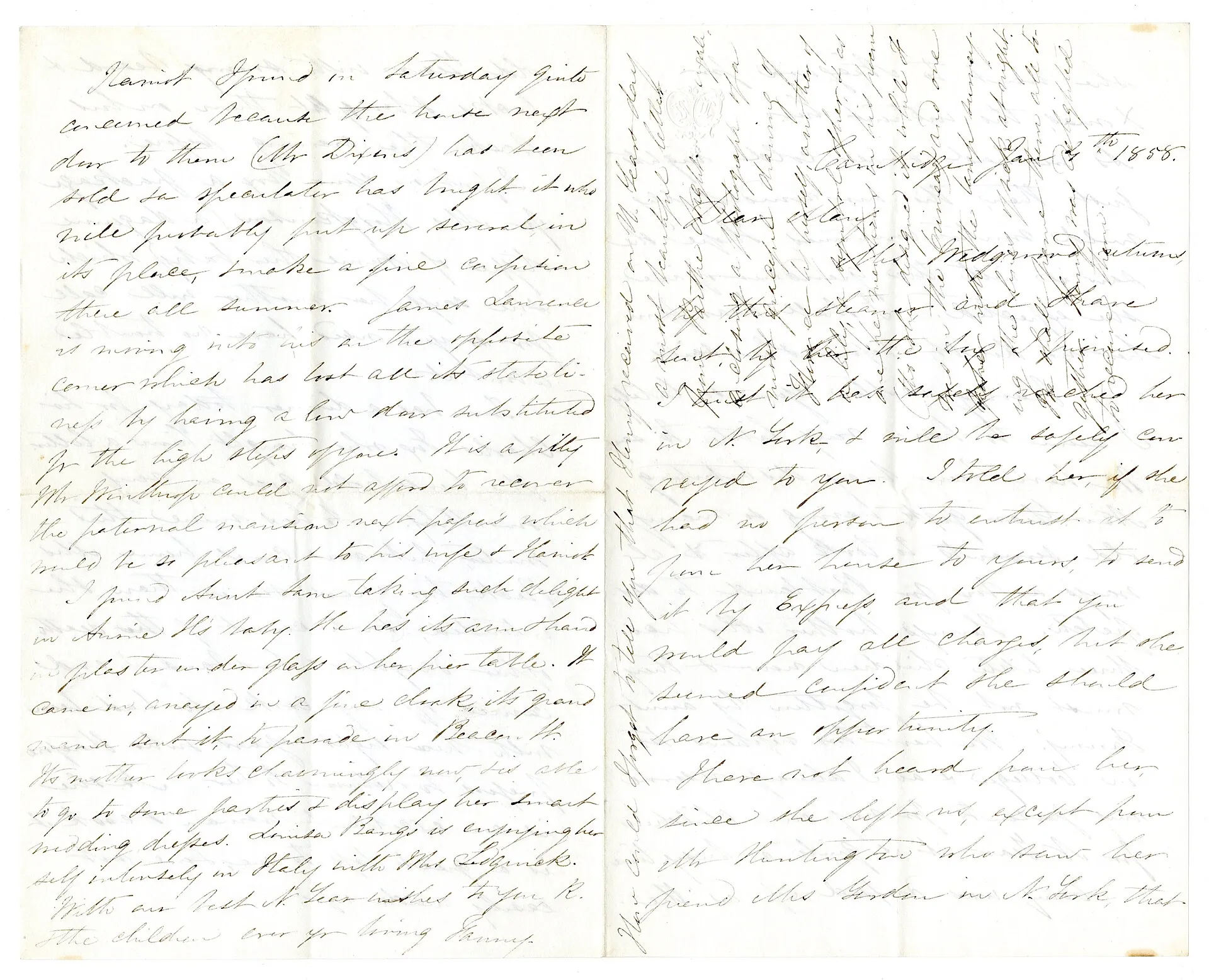
My uncle’s letter was short, and like all of them: the weather, the harvest, and the news that my aunt was coming up to Boston.
She was coming about an inheritance: some old house, some papers that had to be settled.
At the end of the letter, almost as an afterthought, it said: “If you have time, take her somewhere. She has not been in the city for a long while.”
I thought of my aunt, and suddenly I was sixteen again, standing on the prairie.
Aunt Georgiana was born in Boston, and she taught music.
She was thirty when she met Howard, who was a farmer and had not got far.
The family objected. She went with him to Nebraska all the same, and left everything behind: the piano, the concerts, the books.
One summer I stayed with them on the farm, and that was when she taught me Latin.
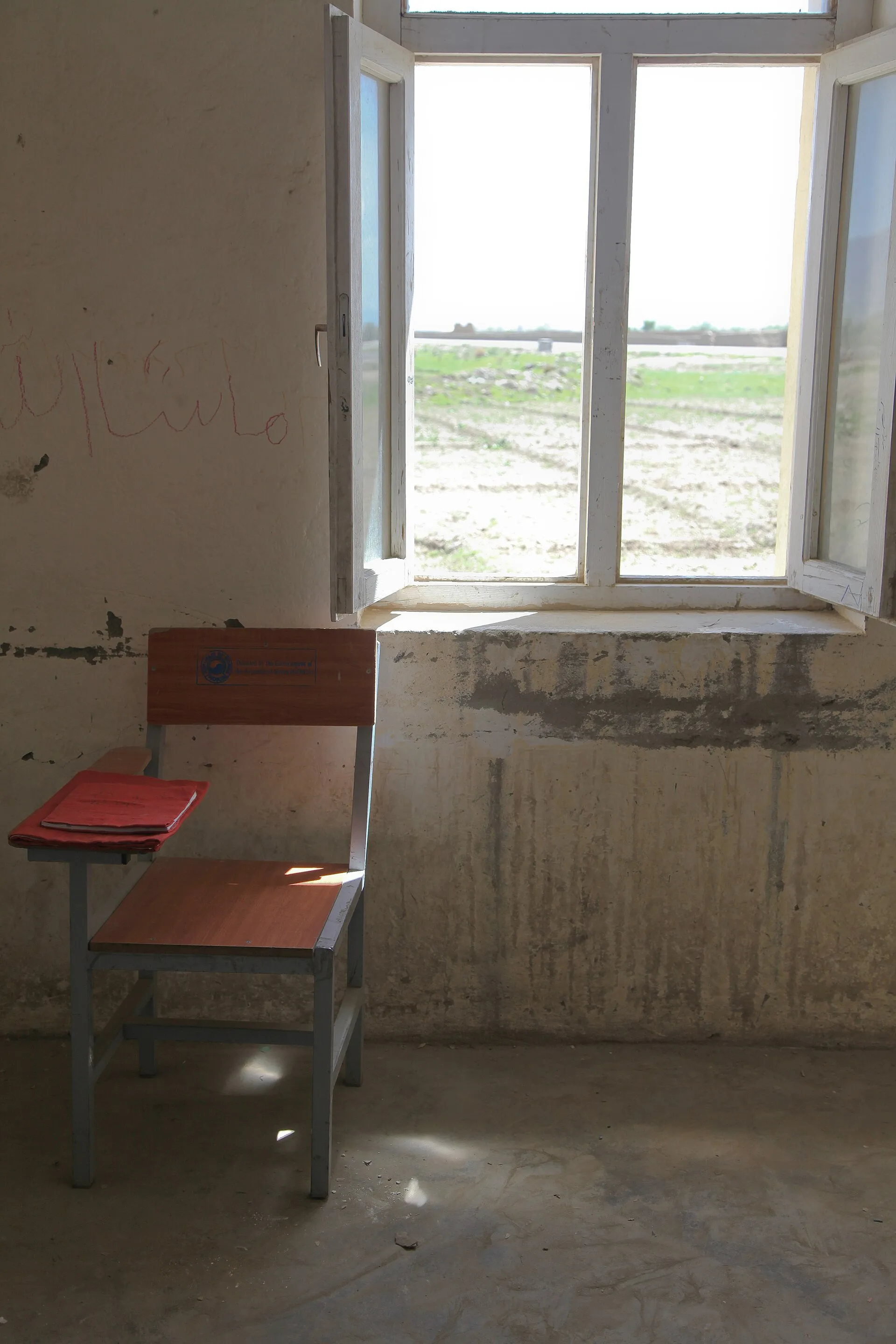
The house was built of sod, the wind hardly ever stopped, and the water came up out of the well with difficulty.
My aunt’s hands were hard and cracked, and her hair had gone grey early.
Once I asked her why she had come here. She said: “Because I loved him.”
At the time I did not understand that this answer said everything.
There was an old piano in the house that nobody played.
Then, one winter evening, when my uncle had fallen asleep in his chair, my aunt sat down at the piano.
She played. Not much, and not well, because the instrument was bad and her hands had forgotten how.
But while she played her face became quite different, and I, who was sixteen, saw for the first time how beautiful she was.
Then my uncle woke up and asked what the noise was.
My aunt stopped. She put her hands in her lap and did not say a word.
We met at the station in Boston. She was small, tired, and her hat was old.
She did not recognise the city, and did not want to. She said everything was very beautiful.
That afternoon I took her to a concert. The programme was Wagner.
The hall was crowded, and my aunt held her handbag tight, like someone afraid of being sent away.
The orchestra began to play, and my aunt went still all at once.
She put her hand on the arm of the seat and did not take it away.
Tears came into her eyes, and she did not wipe them, because she did not even know they were coming.
During the interval she said nothing. She only looked at the stage, where the instruments stood.
In the second part, when the music rose, my aunt understood all at once what she had lost.
She did not complain, and she blamed nobody. She simply knew, and that was the worst of it.
After the concert we started out, and her coat was handed to her in the cloakroom.
At the exit she stopped and took hold of my arm.
“I don’t want to go, Clark,” she said. “I don’t want to go.”
Outside there was the noise of the street and the city. Farther off, many hundred miles away, the prairie and the wind and the work were waiting.
I said nothing, because there was nothing to say.