Mrs. Mallard had a weak heart, so everybody spoke to her carefully; this time it was her sister Josephine who told her, and Richards, her husband’s friend, who had been in the newspaper office when the news came in.
The train had left the rails, Brently Mallard’s name was on the list, and Richards had checked it twice before he set out.
Louise did not collapse: she cried out once, wildly, in her sister’s arms, and then went quiet.
Then she went up to her room, because she wanted to be alone.
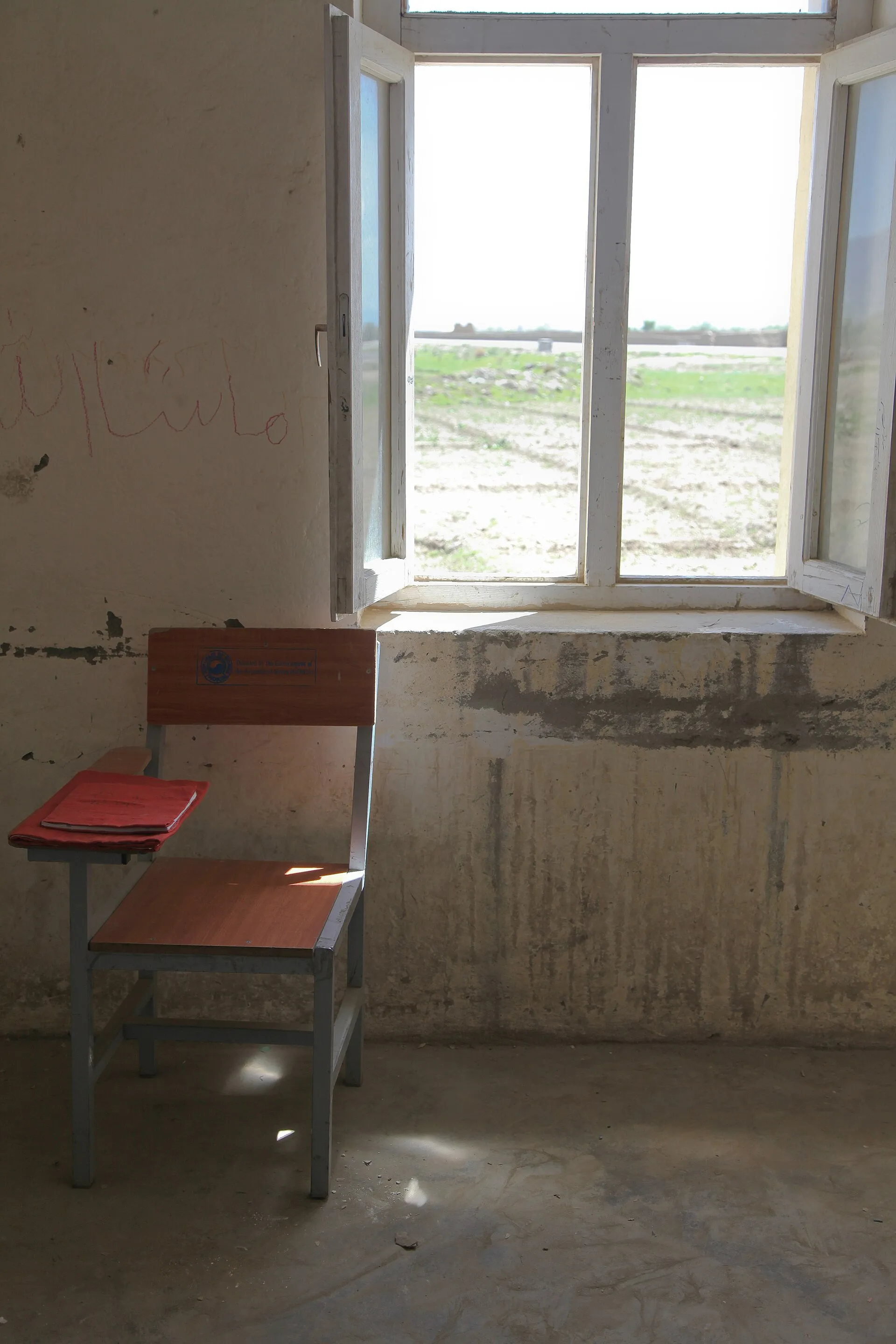
The window was open, and outside it was spring: the trees full of green, the air after rain, somebody singing somewhere, and sparrows hopping on the sill.
Louise sat down in the chair and pressed her face into the cushion.
She was young, and her face was strong; something was pressing on her chest now, and she could not name it.
Her body loosened, her throat opened, and her thoughts moved slowly, but they did not stop.
Then the word came: at first it was only a breath, then another, and then she said it, quietly:
“Free.”
Her eyes opened, her heart was beating fast, and this time it was not the illness.
“Free, free, free,” she said, and sent the word into every corner of the room.
She was not thinking that Brently had been a bad man, because he had never been. She had loved him, sometimes: his hand, his voice, the way he asked for his coffee in the morning.
She was thinking that the years ahead of her would be hers.
That she would not have to live by another person’s will.
That in winter and in spring, every day would be only her own.
She stood at the window and held her hand out into the air, as if she were touching the future.
Below, Josephine stood outside the door and asked whether she was all right.
“I am all right,” said Louise, and stood up. “I am not ill.”
She looked at herself in the mirror: her face was the same, but something behind it had changed.
Then she went down the stairs and took her sister’s arm.
The door opened.
Brently Mallard came in, carrying his bag with his umbrella under his arm, and he was tired, and he knew nothing.
The train he had taken had left later, and he did not even know that his name had been put on the list.
Richards moved first, to get in front of him.
It was too late.
The doctors said she had a weak heart, and that the joy had killed her.
In the room where an hour earlier she had touched her future in the air, the window was still open.