The first holiday without him began on the twenty-fourth of December, at six in the morning, with the fact that I did not know what to do with the kitchen.
Dad had died eleven months earlier. Not at Christmas and not in winter: in May, on a Wednesday, when the horse chestnuts were in bloom. In the first months I thought the big days would be the hard ones. Then it turned out that the big days are easier, because you can prepare for them.
Christmas could not be prepared for.
The kitchen on the twenty-fourth of December belonged to Dad. It was the one day when Mum did not go in there. Dad started the stuffed cabbage at six in the morning — not because he wanted to, but because his grandmother had done it that way, and he was not willing to break the line. By noon the house looked like a battlefield, and by the afternoon everyone said it was the best stuffed cabbage they had ever eaten. That was true every year.
This year there was nobody in the kitchen.
Mum came out of her room at seven.
“We’re not doing anything this year,” she said. “We’ll order in.”
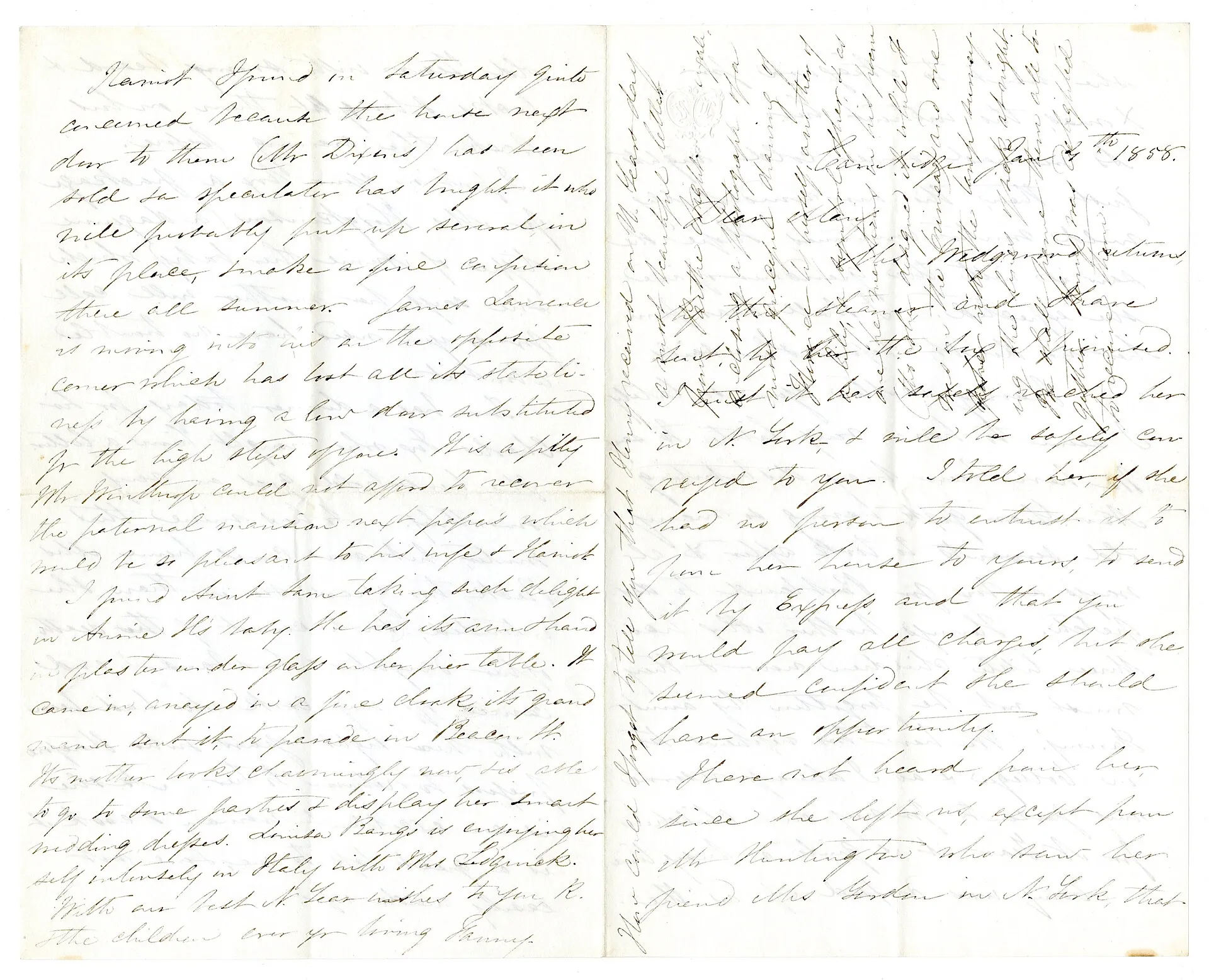
I nodded. Then I went into the kitchen and took out the notebook in which the recipe was written in Dad’s handwriting.
Not because I could not have managed without it. But because his hand was there on the paper.
On the first page of the notebook it said: “Cabbage does not hurry. If you hurry it, it takes its revenge.” Underneath, later, in a different pen: “2011: undersalted. 2012: good.”
That was the best thing about Dad: he wrote everything down, and he was never ashamed of learning.
I started. I did not know what I was doing. The cabbage would not hold together, the rice boiled over, and I cut my finger twice. Towards eleven Mum came in, stopped in the doorway, and looked at the kitchen, which looked exactly as it had every year before.
“This is his chaos,” she said.
“I know.”
She did not leave. She stood beside me and began filling the leaves, because that was what she was better at.
At three in the afternoon it was done. It was not like his. I got the salt wrong, and the top was a little burnt.
We sat down to eat, the two of us, at a table set for four.
After the first mouthful Mum said nothing for a long time. Then she said:
“This is not his cabbage.”
“No.”
“But it reminds me of him.”
That was the most she could say that day, and it was enough for me.
In the evening, as we washed up, Mum asked:
“Will you make it again next year?”
I thought about it. I did not want to say yes just because that is the proper thing.
“I’ll make it,” I said. “But I’ll use less salt.”
Mum smiled. It was her first smile that week.
“Then we’ll do it together,” she said. “You the cabbage, me the salt.”
Dad’s recipe has been in the notebook ever since, but I write in the margin too. There it is, under his lines, in my hand: “2025: undersalted. 2026: good.”
Not because I want to take his place. But because the line has not been broken. It is just that now the two of us carry it.
That night, as I was going to bed, it struck me that the hardest thing was not that he is not here. It was that his habits stayed, and somebody has to carry them on.
Not because they have to. But because it was good.