My mother’s garden was three times bigger than one person can manage.
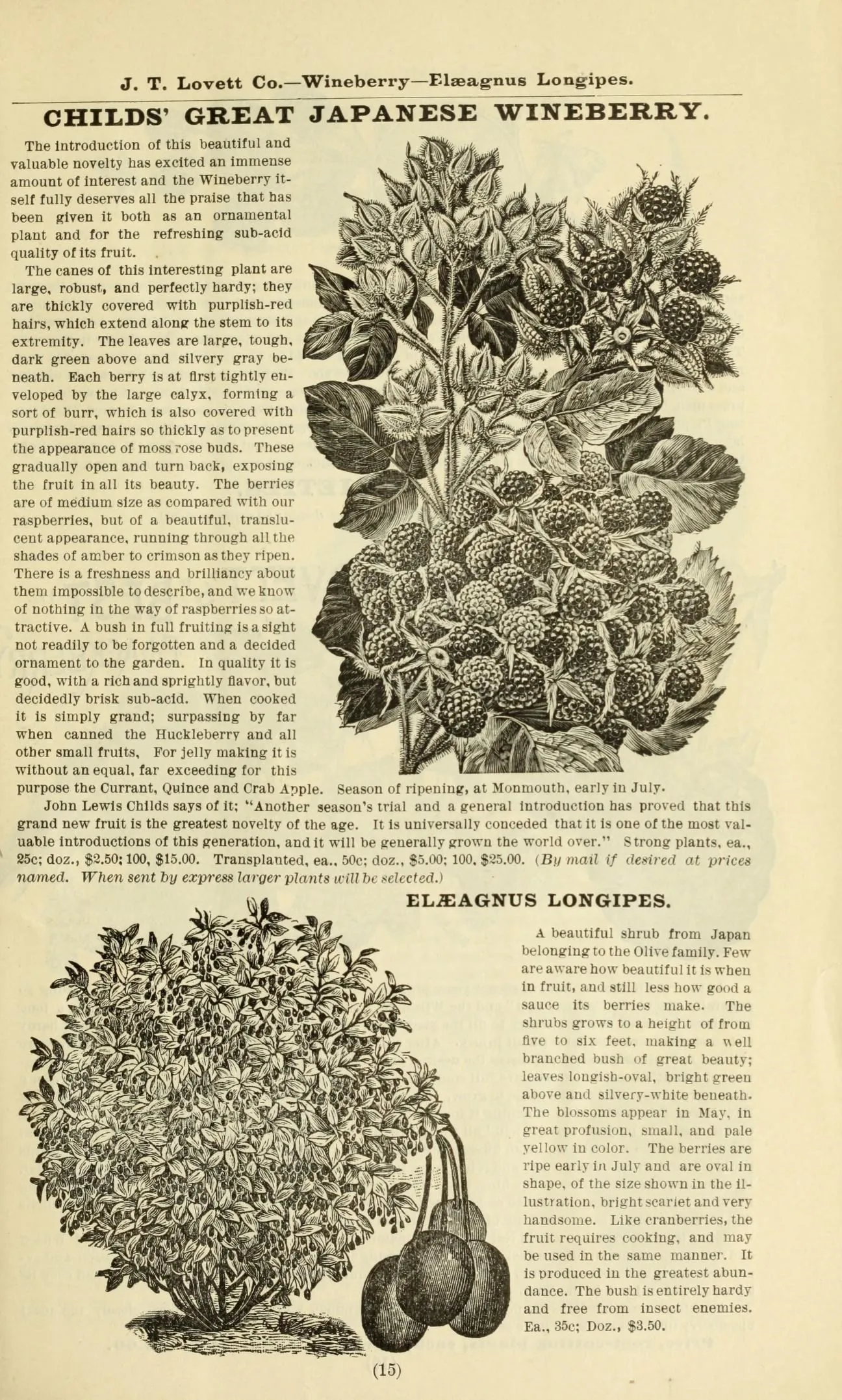
She made it. Over forty years, with her own hands: she planted the raspberries, she pruned the currants, and the walnut tree had been planted by my grandfather, and when it turned out that it cast shade on the tomatoes she refused to cut it down. She moved the tomatoes instead.
Last autumn she died.
That winter I did not go out into the garden. Then in February, after the frost, I saw the raspberries from the window: completely overgrown with weeds, with one of the supports fallen over.
That was when I decided to sell the house.
Not because I did not love it. But because a garden that size cannot be done by halves, and I did not want to live like a man tending a ruin.
In April a man came who wanted to buy it. He walked the length of the garden.
“All of this has to be dug up,” he said. “I’ll put a terrace here.”
And then I saw what I had not seen until that moment: under the raspberries, in the weeds, there were the four canes she had planted in her last summer, and they had already put out shoots.
I did not know what to say. I said I was still thinking about it.
In May I came out with a hoe and started. Not the whole thing. Only the part that was hers, the part I walked past every morning, outside the window.
The first day I did one square metre in three hours. The second day my back said never again. On the third the old lady from next door came over to the fence.
“Will you give me some of the raspberries?”
“I will,” I said. “But only if you come and help too.”
She came. Then the other neighbour came. Then a boy from the corner, who had been living at his parents’ for three weeks and had no work.
By the time we finished, eighteen of us were working in the garden at once, and the old lady from next door brought a pot of goulash, because she said that anyone who comes to hoe has to be fed.
Then summer came.
The raspberries ripened. There were not as many as in her time, but there were some. The boy from the corner picked a box of them and took them to his grandmother. The old lady from next door cut off a cane and took it to her own garden to root.
That summer it finally sank in, the thing I had not understood before: that she did not plant in order to own the garden. She planted so that there would be something that lives on, even when she can no longer tend it.
I did not sell the house. Half the garden is still weeds. But the other half is alive, and next year there will be a row of raspberries in the old lady’s garden too, which started here.
I think this is the best thing I can do in her name. Not to preserve everything. But to pass it on.