The house was the same as fifteen years ago, only smaller. Márta did not measure this against her memories but against her own body: the two steps of the porch, which she had taken in a jump as a child, were now a single step. Snow stood in the geranium boxes. The key the solicitor handed over turned in the lock as if her grandmother had last put it there only yesterday.
Four months after her mother’s death Márta decided to sell the house. That was the plan. She would arrive in the morning, walk round at noon, go back to Budapest in the evening, and in January the valuer would come.
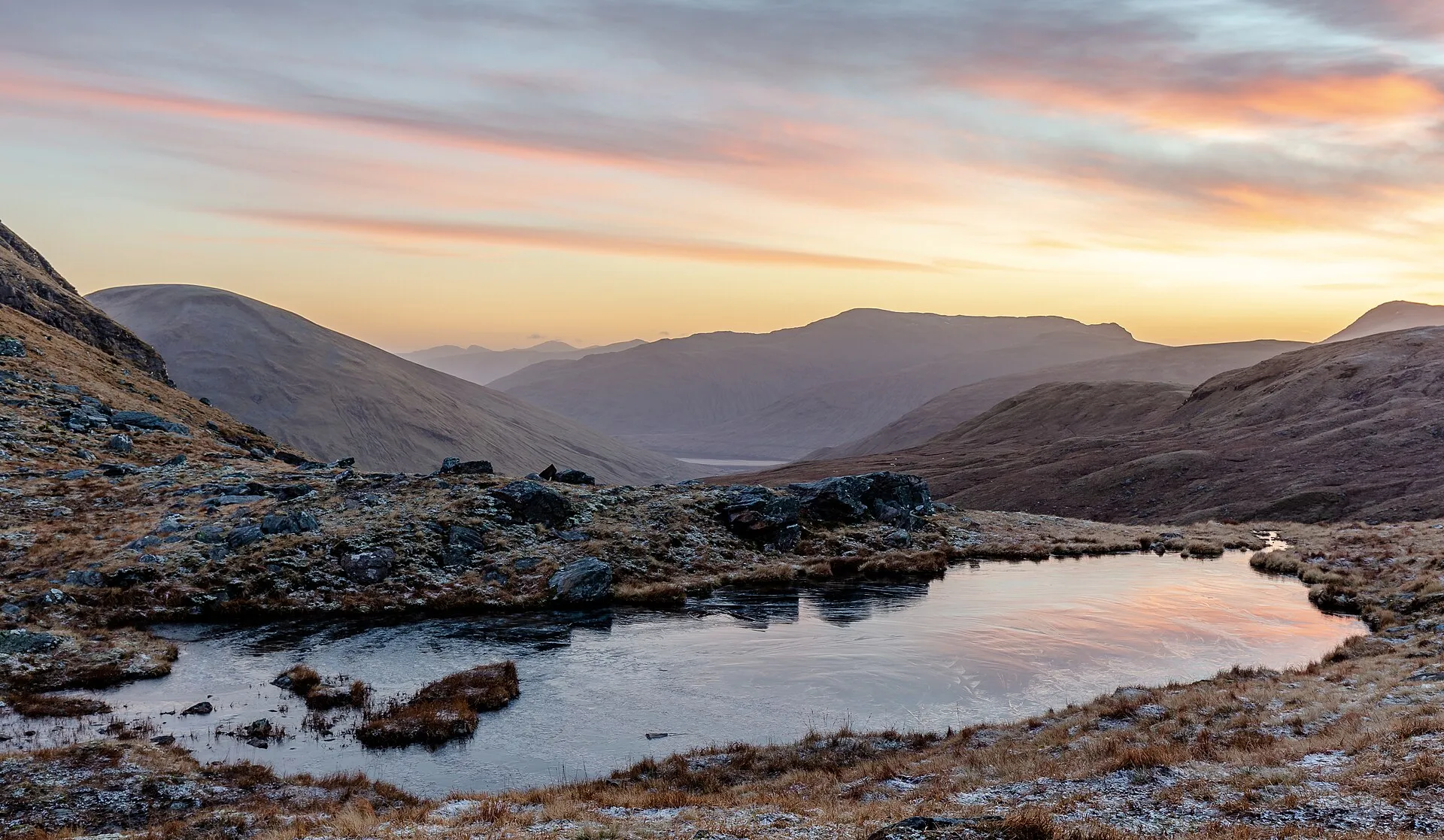
The lake lay behind the house, and when Márta stepped out of the back door she saw that it had frozen. It was black as glass, and the dawn light lay on it like water on a silver tray.
Then the ice spoke. A single, long, deep sound — nyúúúú — as the cold widened the surface. Márta was forty-two, and at that sound she was suddenly twenty-seven.
Because fifteen years ago, on this lake, Gábor had learnt how to skate. He had not taught Márta — Márta could skate. Gábor learnt how to wait: that when somebody is afraid of the ice, you must not pull them, you must stand in front of them and let them step forward on their own.
She did not step forward then. Márta went to Vienna to work, then married, then divorced, and in fifteen years there was always something because of which she did not come home.
Now she stood on the shore and looked at her boots.
The boathouse door opened.
“I thought someone had come to steal,” said Gábor.
He had aged, but not in the way a person fears. His shoulders were broader, his hair shorter, and on his hands was the kind of working skin that cold makes. He was not surprised. That was the worst of it: as if he had counted on it.
“I haven’t stolen,” said Márta.
“I know. We don’t lock the gate.”
It turned out that Gábor had rented the boathouse for ten years and restored ice yachts. In winter, those old, wide-bottomed contraptions on which you can glide across a frozen lake if you are brave enough and foolish enough. Before her grandmother died, she had asked him to stay as long as he could.
“She didn’t tell me,” said Márta.
“She asked me not to. She said: if she ever comes home, don’t meet her with a relieved face.”
Márta laughed, and the laugh turned into a lump in her throat.
That afternoon Gábor handed her an old pair of skates. He did not ask whether she was staying. He only set them down on the porch and said:
“The ice is best at dawn. When nobody has been on it yet, and you can hear every sound.”
Márta did not sleep all night. At five in the morning she went out and laced the skates, and when she stepped onto the ice her body remembered as if fifteen years had not passed: three strides, then gliding, then the air so cold it burned.
Gábor stood on the shore and watched.
“Aren’t you coming?” asked Márta.
“I can’t,” said Gábor. “I never learnt.”
Márta stopped. Beneath the ice, beneath their feet, somewhere very deep, the lake was alive, and its sound was like a long breath.
“Come,” she said.
“I’m afraid of the ice.”
“I know,” said Márta. “That’s why I’m standing here. I won’t pull you. I’m just here.”
Gábor looked at her for a long time. Then he unhooked the skates from the nail, sat down in the snow, laced them, and when he stood up his leg trembled.
The first step was terrible. So was the second. On the third Márta took his hand — she did not pull, only held — and Gábor set off, and the ice did not break.
They glided. Not fast. It was growing light, the horizon turned pink, then gold, then a blue so blue that a person could not believe the colour existed. The ice yachts stood on the shore with their sails covered, like sleeping birds.
“Why didn’t you call?” asked Gábor quietly, and the question was not an accusation but a wound.
“Because I was afraid that if I came home, and you had already settled your life, then nothing would be left that I could claim for myself,” said Márta. “And because for fifteen years I thought courage meant leaving.”
“And now?”
Márta stopped. The ice was silent.
“Now I think courage means asking the man who rents my grandmother’s house to come in for a coffee, after his feet have frozen.”
Gábor laughed. The laugh echoed off the ice, and somewhere in the reeds a bird stirred.
“I don’t have skates,” he said.
“I have coffee,” replied Márta.
The kiss happened on the shore, standing in snow, in skates, which is the least romantic thing in the world. And yet: Márta felt that this was the first time in fifteen years that her body and her life were in the same time.
In the afternoon she phoned the valuer and cancelled.
“So you’re not selling?” asked Gábor, when he heard.
“I’m not selling,” said Márta. “But it isn’t mine alone either.”
The man did not ask what she meant. He only nodded and took a rusty key out of his pocket, which he had found in the boathouse that morning.
“This is for the back door,” he said. “Your grandmother always said we don’t lock the back door, because that is how whoever comes home gets in.”
Márta took the key. Her palm was warm from it.