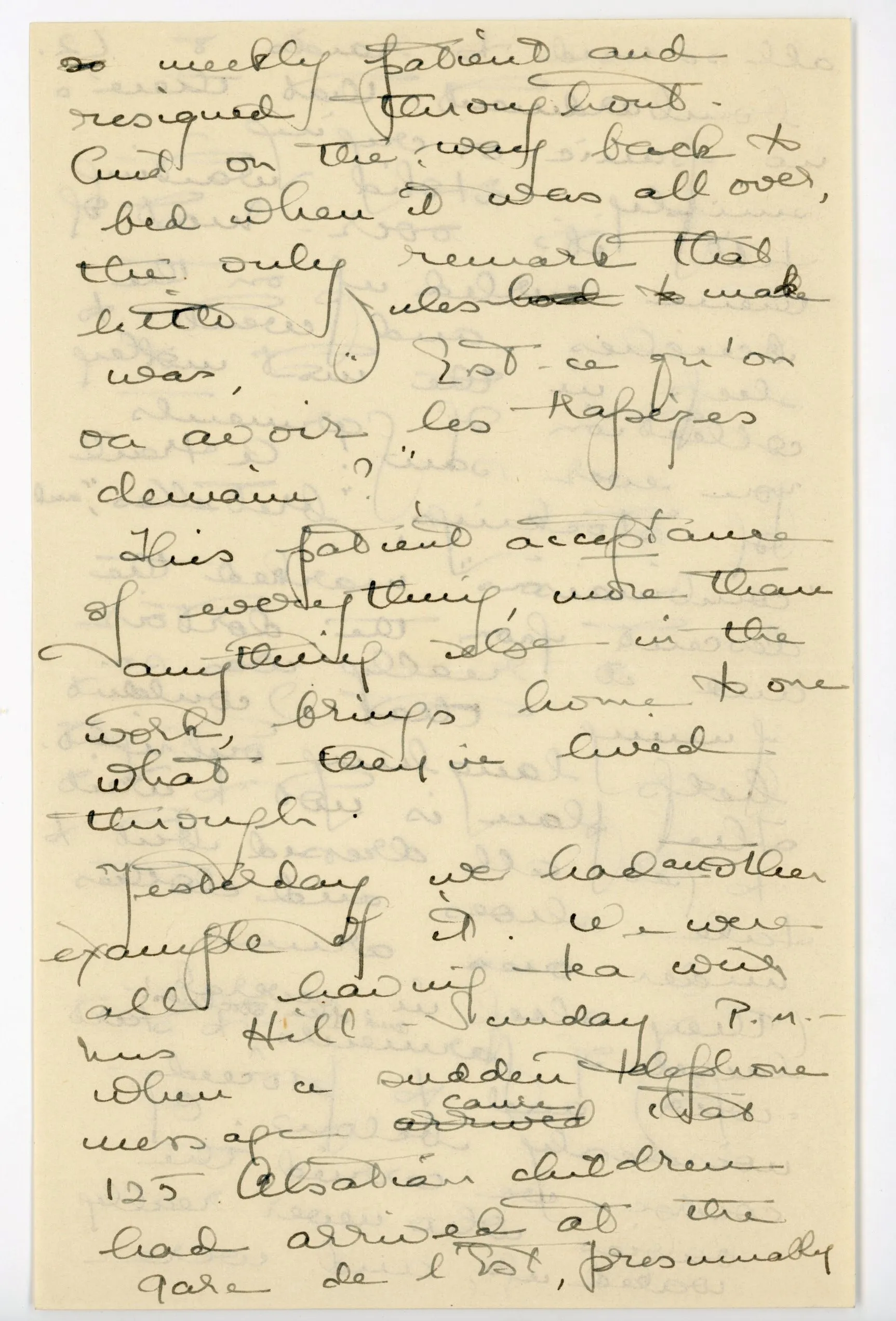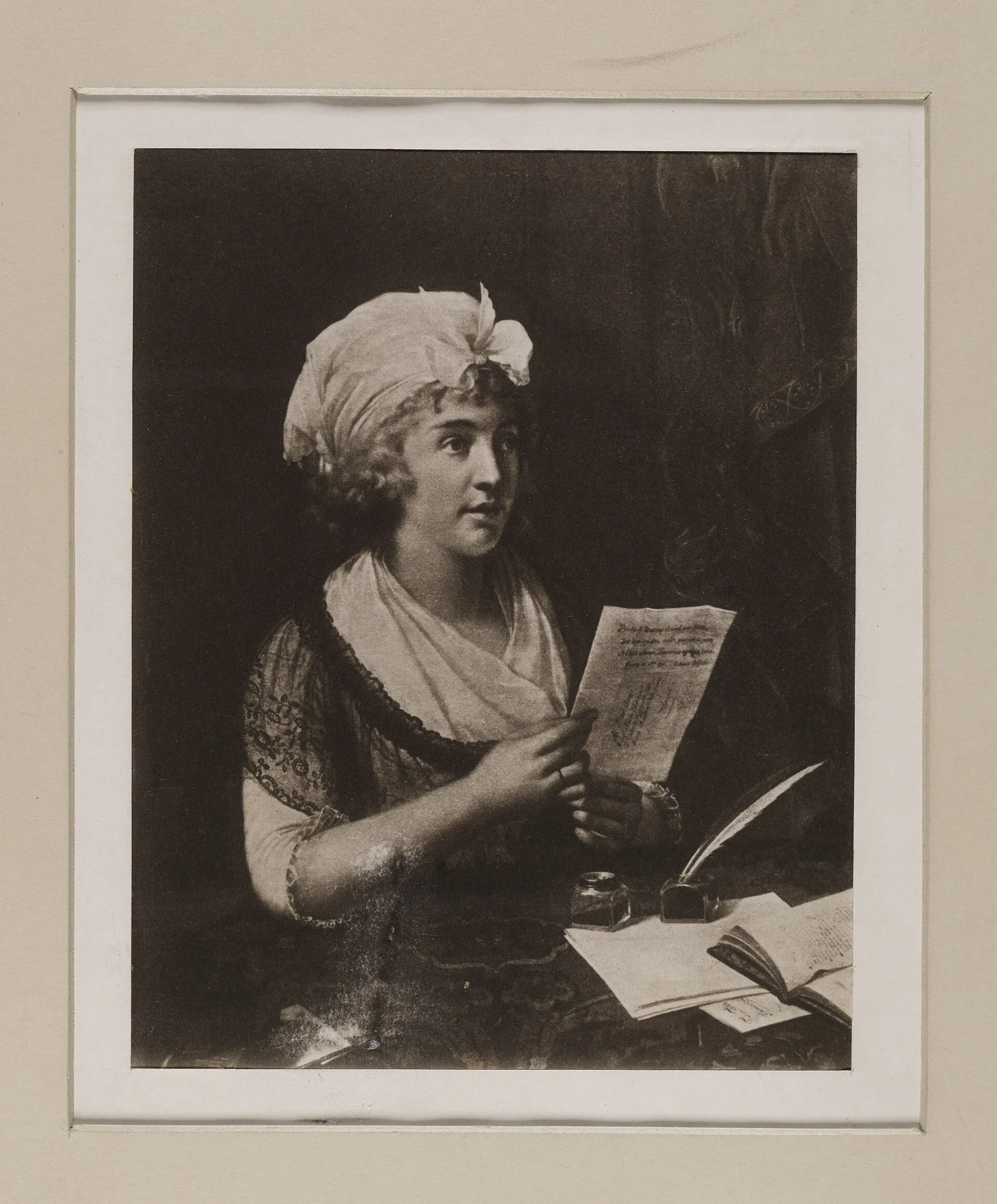
I found the letter at the bottom of a shoebox, ten years after I wrote it.
I was moving. When you move, you take everything into your hands, and you throw most of it away. I did not throw this away. I sat down on the floor, among the half-filled boxes, and read it.
I was twenty-two when I wrote it. There was nothing special in it: two pages, in blue pen, and at the end the sentence I have been walking around ever since.
“It isn’t that you don’t love me. It’s that I don’t know whether you even want to know that I do.”
I did not send it. I wrote it that evening, and the next morning I told myself it was silly, and put it in the box.
A lot happened in ten years. There was a marriage that did not work. There were two cities. There was a period when I thought love was something that passes, like a cold.
And now I am sitting on the floor, and I am holding those two pages, and they say exactly what I feel today.
I did not know where he was. That is not true: I knew. Everyone knows this kind of thing, they just do not admit it. He worked in a bookshop in the centre, ten years ago, and the last time I passed by, the same old lamp was still in the window.
The next day I went in.
I had no plan. That is the best thing a person can do: not to plan, only to set off.
The shop was the same, the lamp was the same, and he was the same — a little greyer, a little slower, but the same movement as he put a book on the shelf.
“Hello,” I said.
He looked at me. He was not as surprised as I had expected.
“Hello.”
“There’s a letter of yours,” I said. “Or rather, there isn’t. There’s a letter I never sent.”
He put the book down.
“When did you write it?”
“Ten years ago.”
“And why did you bring it now?”
“Because I read it this morning, and I realised that nothing has changed. And because if I take it home again, it will be another ten years.”
He said nothing. He went to the counter and poured himself a glass of water, as if waiting for himself to pull together.
“What do you want from this?” he asked at last.
“Nothing. I just don’t want to explain to myself again why I never said it.”
Then he smiled. It was that smile that had kept me in this city for ten years, even though I always said I would leave.
“I won’t take it,” he said. “Read it out.”
“Now?”
“Now.”
And I read it aloud. There, in the middle of the bookshop, sitting on a chair, two pages, in blue pen, in the words of a twenty-two-year-old. My voice shook once, but I got to the end.
When I finished, there was a long silence. A customer looked in at the door, then walked on.
“Ten years,” he said at last. “If you’d sent it then, everything would have been different.”
“I know.”
“But I’m not sure it would have been better.”
That was the best thing he could have said. Because the question was not whether I had ruined the past, but what I would do with what is here now.
I left the letter with him. He said he would keep it in the drawer where he keeps the old books he has not sold yet.
Since then I go in every week. Sometimes I buy a book, sometimes I don’t. A month ago he said it was time to replace the old lamp.
I said no.