I bought the book in a second-hand shop for five hundred forints, because I liked the spine.
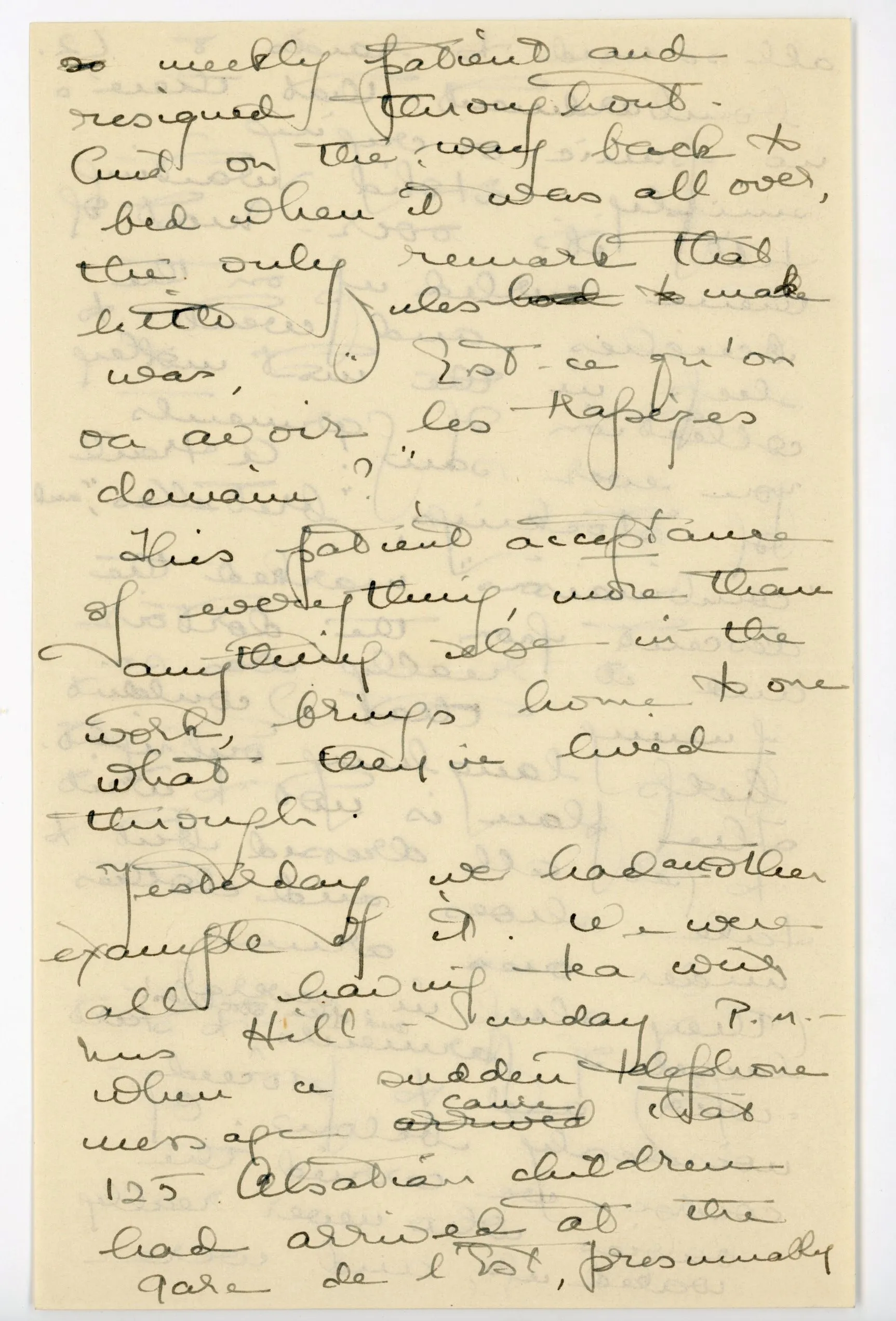
At home, when I opened it, a note fell out. It was handwritten, in blue pen, long ago: the paper had yellowed, the ink had faded, but it could still be read.
This was on it:
“14 August 1998 — Today I didn’t say it. Tomorrow I’ll say it. If you’re reading this and you’re not me, please put it back in the book. — P.”
I read it. It was not me. But I did not put it back.
Not because I wanted to keep it. But because I did not know where to put it back: the book was mine now, and the note no longer belonged to anyone.
For a week I carried it in my wallet. Then for a month. Then I decided to look for him.
I did not know who I was looking for. I knew only one letter, and a date, and the place where the book had been. I went back to the shop.
The owner was a man of about fifty, with glasses, and he was arranging books.
“Where did this book come from?” I asked.
“Everything comes from a lot of places,” he said. “But if you’re asking because of the note, I think I know.”
He stopped.
“Why?”
“Because it isn’t mine.”
The man sat down and gestured for me to sit too.
“That book came here from my sister’s estate. She isn’t dead, don’t be alarmed. She emigrated to Canada and left everything behind. I took the books because I couldn’t throw them out.”
“And the note?”
“That I don’t know. I never saw it.”
I handed it to him. He read it and said nothing for a long time.
“That isn’t her handwriting,” he said at last. “It’s mine.”
We sat facing each other, and I did not know what to say.
“In 1998,” he went on, “a girl used to come in here. Every Friday. She bought a book, and she always came at the same time, so that we would meet. I was twenty-six then, and I thought that this sort of thing didn’t need words.”
“And?”
“And on the fourteenth of August I decided I would tell her. I came in to buy the book I knew she wanted, and I wrote the note inside to give myself courage. Then I didn’t go. I didn’t dare.”
“Why did you put it in the book?”
“Because I thought that if she bought it, she would read it, and then I could tell her too. But she didn’t buy it. Somebody else did.”
We looked at the note. Twenty-seven years.
“Do you know where she is?” I asked.
“I see her sometimes. She lives in the city. She’s married.”
“And you?”
“I got divorced. Fifteen years ago.”
I said nothing. It was not my place to tell him what to do.
The man folded the note and put it back in the book, on exactly the page where it had been.
“Take it,” he said. “The book is yours.”
“Shouldn’t you go and find her?”
“After twenty-seven years?” He smiled, but not happily. “I’m not staying away because it’s too late. I’m staying away because I don’t know whether she remembers. And if she doesn’t, then I lose something I have had until now.”
I took the book home. The note is still in it, on the same page.
Sometimes I think of it, and I think this is the most important thing I know about love: that it is not always the other person we miss. Sometimes it is only the absence of what we never said, which stays alive because of that.
A month later I went back to the shop and asked how he was.
“He went to her,” said the man. “I don’t know what he said. But yesterday he came in and asked for a book. The same one as in 1998.”
That was all I learnt. And it was enough for me.