The message came on Tuesday evening, and I answered it on Saturday morning.
Three days and four nights. During those three days I opened it about forty times, and closed it about forty times without writing anything.
This was the message:
“They’ve accepted the job. I leave in February. I didn’t want to go without knowing what’s between us. If there’s something, say it now.”
There was nothing dramatic in it. There was no question mark at the end, only a full stop, which is worse. After a full stop a person has nowhere to put anything.
It was not that I did not know what I felt. I knew exactly. I did not answer because I knew that if I wrote it down, then from that moment it would be true, and then it could not be taken back.
On Wednesday I told myself I would think it over.
On Thursday, that I would do it in the evening, when it was quieter.
On Friday I sat down, wrote twelve lines, read them, and deleted them. Then I wrote four lines, and deleted those too. The short ones are always harder.
On Saturday at dawn, when it was already getting light and nobody in the house was up, I wrote:
“There is. There has been for a long time. I didn’t say it not because I didn’t want to, but because I was afraid that if I said it once, you would leave. Now it doesn’t matter whether I’m afraid. Go knowing it. I’m staying here, and I’m not waiting for anyone else, but I don’t regret that you left. I would only regret it if you had never known.”
I sent it. Then I put the phone down and went to make coffee, because I could not bear to watch the screen.
The answer came in the afternoon.
“My flight leaves tonight. I can’t change anything now. But I’m glad I know.”
That was all. Five words, and a fact that could not be changed.
I cried. Not because I had lost something I never had, but because I was too late. A person is not afraid of not being loved. They are afraid that their own cowardice meant nobody ever knew.
In February he left.
I did not write to him again, and he did not write to me. These things do not stop because a person is angry. They stop because both of them know that now is not the time.
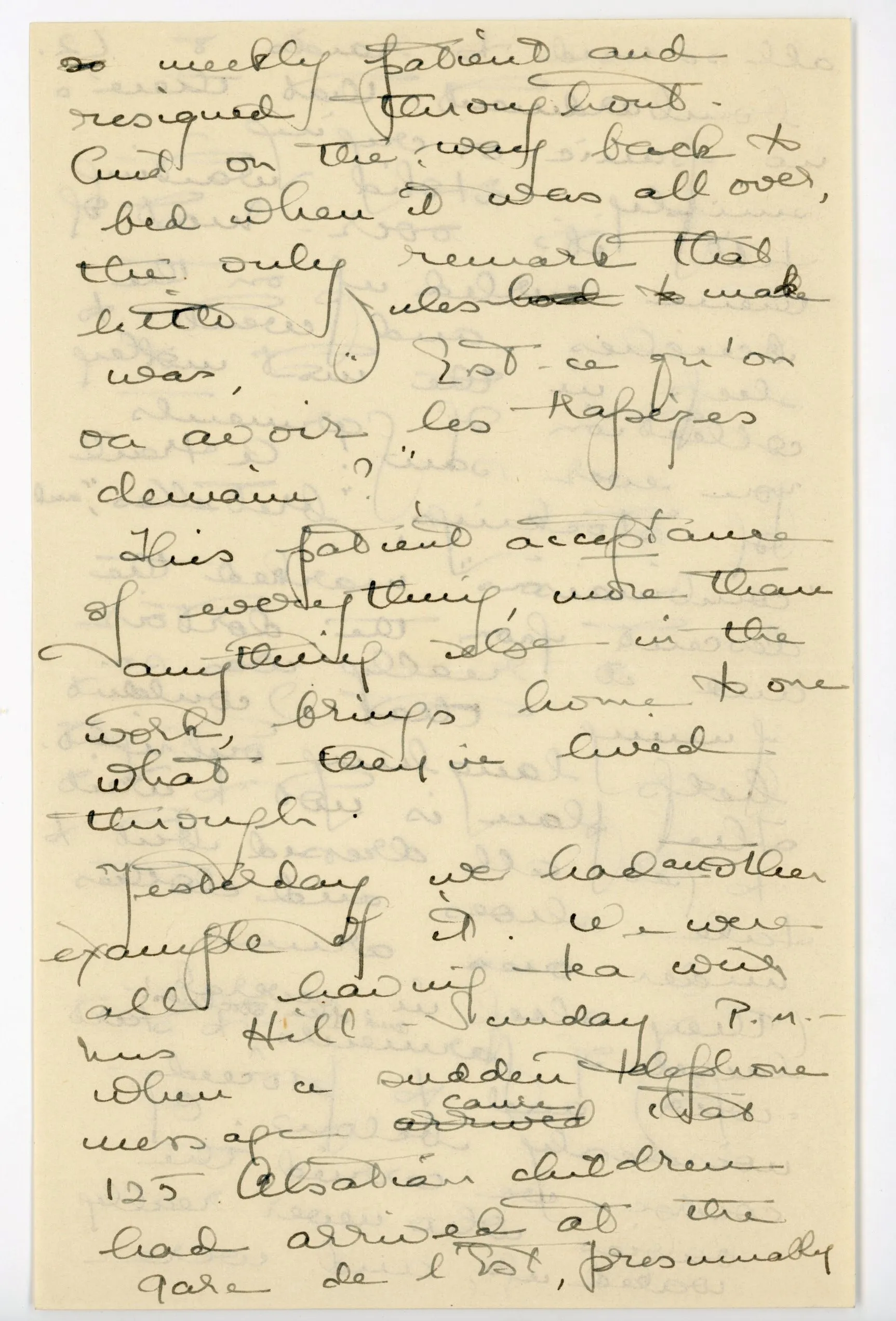
Then in April a letter came. Not an email. A real letter, handwritten, with a foreign stamp.
“I can’t write Hungarian well, because I never had to. But I had four hours on the train and I couldn’t do anything else. I wanted to say that what you wrote, I haven’t forgotten. I don’t know what this will bring. I don’t even know what I want. I only know that when your message arrived at dawn, it was the first time I felt I was not alone in a foreign city. I’m coming back. I don’t know when. But until then I’ll write, because it’s easier in a letter than on the phone. — M.”
I answered the first letter two weeks later, and this time I did not spend three days thinking about it.
Six letters have come since. I keep them in the drawer, tied together with a rubber band, and sometimes I take them out when I think things do not change.
I do not know what will happen. I know that the best thing I did was not that I answered. It was that I finally wrote it down.