Chapter 1 — The Wall That Was Not a Wall
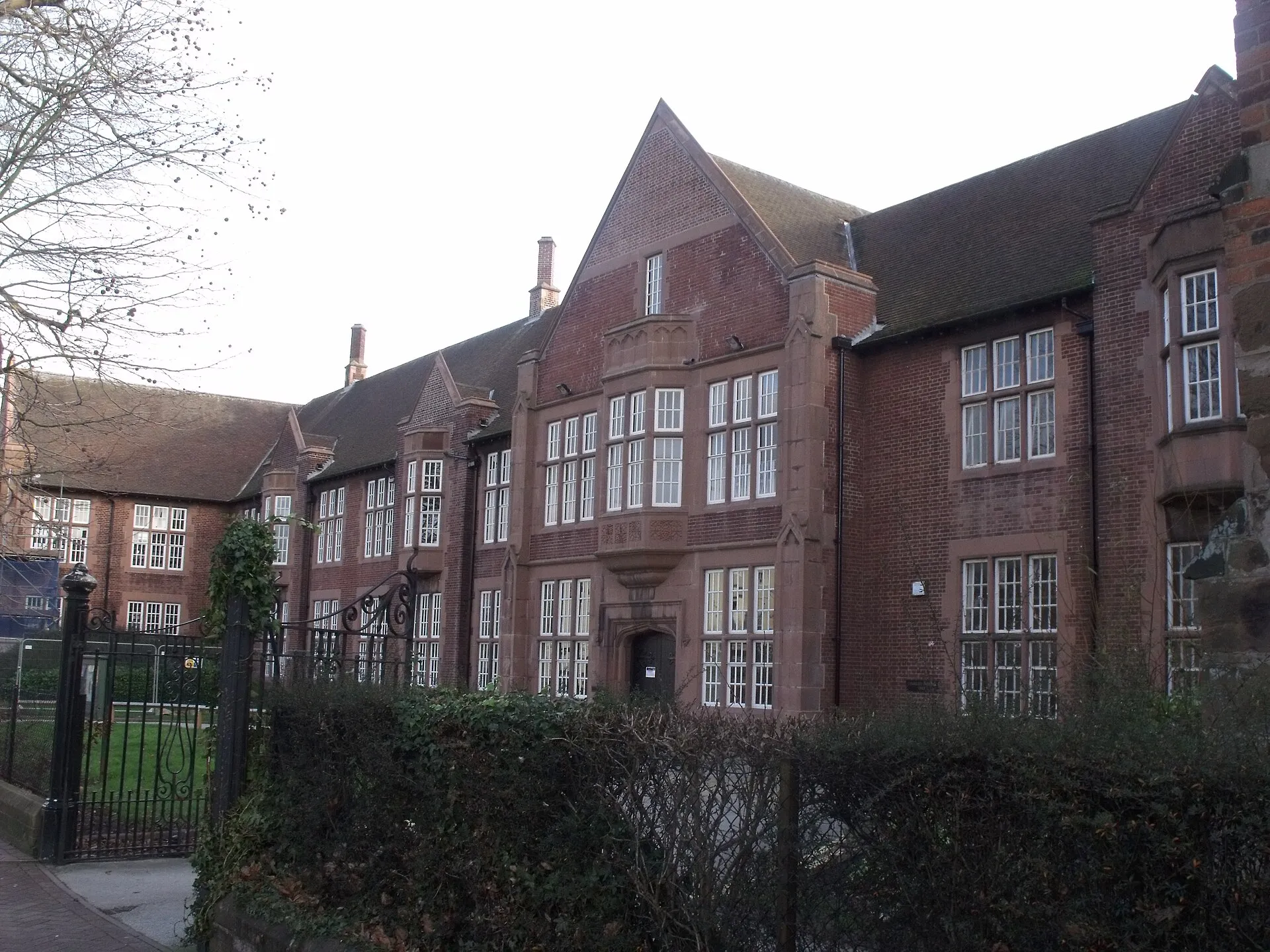
You can only go down into the cellar of the old school if a teacher escorts you, because the old equipment stores are down there.
In November the teacher fell ill, and a young teacher came instead, who did not know the rules. He said that two of us should go down and bring up some chalk.
Zsófi and I went down.
The cellar was long, and two of the lamps were not working. On the walls there were old labels: “5a”, “Gym equipment”, “Don’t touch!” Beside the last door there was no label. Only a brick wall that did not belong there.
Not because it was brick. But because the other walls were smooth and this one was crooked, and the colour of the brick was different too.
“That’s new,” said Zsófi.
“Why would it be new?”
“Because the other walls are old.”
That was a good enough argument.
I pressed the wall. Nothing. We tapped it. One of the bricks sounded hollow.
Zsófi brought out her torch, which she always carries, because she says “you never know”. There was a gap around the brick. Not a big one, but enough for a person to see: this wall is not holding anything up. It is only shutting something in.
“We’ll bring a screwdriver tomorrow,” said Zsófi.
“That’s against the rules.”
“Yes.”
Chapter 2 — What the Corridor Told Us
The next day we came with a screwdriver. Four bricks were loose. We took them out, and behind them was a corridor.
Not a big one. Wide enough for a person to get through, and so low that we had to stoop. Its wall was the same brick as the cellar, but its floor was smooth stone.
We went in.
After ten metres the corridor widened, and we came into a small room. In it stood an old lamp, and a table, and on the table a notebook.
Zsófi opened it. On the first page this was written:
“November 1944. Whoever finds this: this corridor is not an escape route. It is the old coal cellar of the school. We bricked it up because there was no coal left. If you have got this far, then you are clever. Please put the bricks back. — Mr K., teacher”
We looked at the notebook. Then we looked round the room.
There was no treasure. There was no secret. Only an empty coal cellar, a lamp, and a notebook that a teacher had written eighty years ago.
“Is this it?” asked Zsófi. “Is this all?”
I think she had been expecting treasure. So had I.
But then I noticed something. At the back of the notebook there were a few more pages, and on those there were names. A lot of names. With dates.
“3 December 1944 — Twelve children were here today. It was warm.” “10 December 1944 — Eighteen children were here today.” “24 December 1944 — Twenty-four children were here today. They sang.”
I did not understand at once. Then I did.
That room was not a coal cellar that December. It was a shelter.
Chapter 3 — What We Did
For a week we told nobody. Not because it was a secret, but because we did not know how to say it.
Then Zsófi said:
“This isn’t ours.”
“I know.”
“It’s the school’s. And it’s theirs — the ones who came here.”
We went to the teacher when she came back. We told her the whole thing: the wall, the screwdriver, the corridor, the notebook. We also told her that we had gone down without permission.
The teacher was silent for a long time. Then she asked:
“Why are you telling me?”
“Because it isn’t ours,” said Zsófi.
The teacher nodded, and did not tell us off. She said this was the best thing we could have done.
In the spring the school brought the notebook up out of the cellar and put it in the hall, in a glass case. Underneath they put a sign with this on it: “The school’s air-raid shelter, 1944.”
The corridor was not demolished. We put the bricks back, but not completely: the teacher said a small gap should remain, so that it could be seen that it is there.
Sometimes we go down to look. Not because it is exciting. But because a person does not forget the place where they first understood that old things are not old because they have passed.
They are old because somebody preserved them.