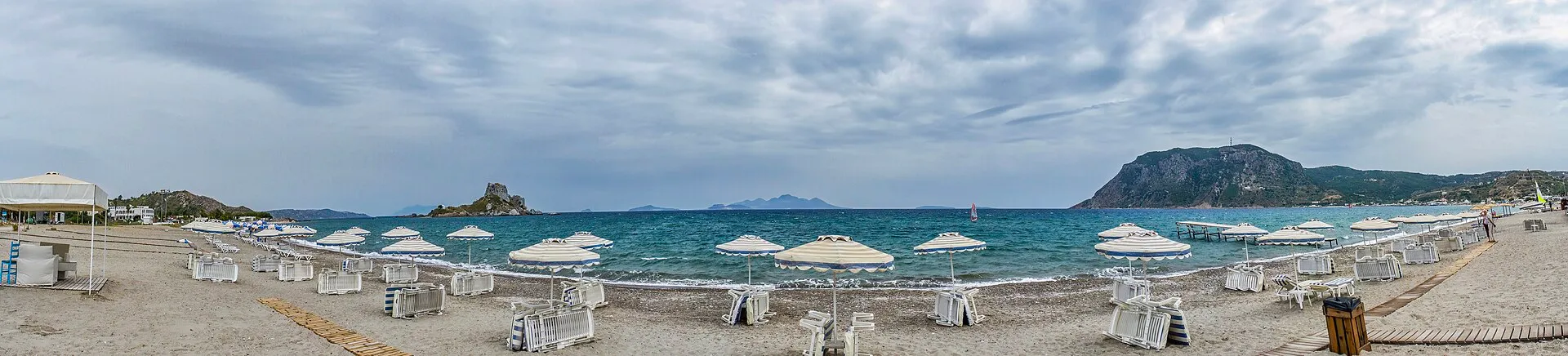
At two in the afternoon there was no longer a parasol to be had on the beach.
I walked the whole row, and under every parasol somebody was sitting: families, couples, a man charging his phone from a portable battery. At the forty-second parasol I stopped, because there was only one person under it, and two empty chairs beside him.
“Excuse me,” I said. “Is anyone sitting here?”
The man looked up from his book, and in the time it took him to answer there was enough to see that this was not his day.
“Please,” he said. “Nobody but me has laid claim to anything.”
I sat down. The sand burned, the air stood still, and the sea shone as if somebody had tilted it.
For a while we did not speak. He read, I watched the water, and we both pretended this was entirely natural.
Then he said:
“Forgive me, but why did you come here? I mean, alone.”
“Because there is nobody to come with. You?”
“Because today I don’t want anyone.”
That was an honest answer, and it surprised me. Most people invent something at that point.
“Then why give up the chair?”
“Because the shade doesn’t run out just because there are two of us in it.”
His name was Bence. He was training to be a doctor, but he wanted to give it up, and he had not told anyone yet.
“Why not?”
“Because my parents think it is the only sensible thing I could do.”
“And what do you think?”
He looked at the water for a long time.
“I think I’m afraid they’re right.”
That was the sentence I stayed for that afternoon. Not because I liked the man, but because it is rare to meet someone who says out loud what he is afraid of.
At four the wind turned. The parasol filled suddenly, and the sound of a wave ran the length of the shore.
“A storm’s coming,” said Bence.
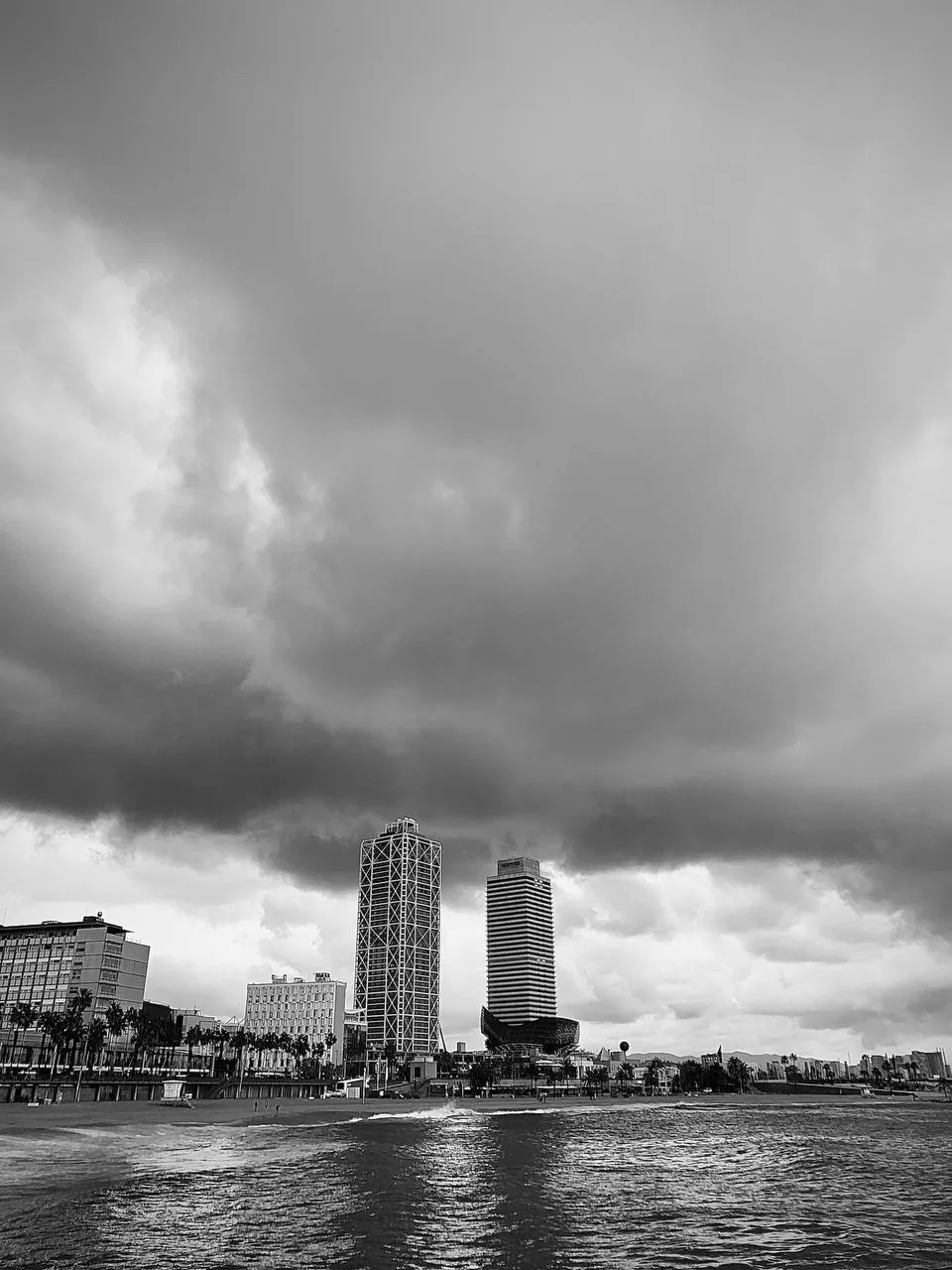
Five minutes later the sky went grey, and the rain began as if it had not decided whether it meant it.
We both stood up. There was nowhere to run. The beach café was shut, and the nearest umbrella was twenty metres away.
“It doesn’t matter,” I said. “The rain is warm.”
And it really was. We stood there in the sand, the two of us, under a parasol that was now worth nothing, and we laughed, because it was an absurd situation, and because we both knew that this day was no longer going to end the way it had begun.
The rain lasted ten minutes. Then the sun came back, everything began to steam, and the sea gave off a smell as if the whole shore had been born again.
Bence closed his book. It was soaked.
“It’s ruined,” he said.
“We’ll dry it.”
“It’s a library book.”
“Then we’ll pay for it.”
He looked at me. For the first time he looked at me as something other than a stranger who had taken half his shade.
“Would you like to come tomorrow as well?” he asked. “I’ll bring two umbrellas.”
“Do,” I said. “And bring that library book too. I’d like to read it before they take it back.”
That evening, when I got home, I could still feel the salt water on my skin. And I remembered the sentence I had learnt that day: the shade does not run out just because there are two of us in it.
Nothing runs out just because of that.