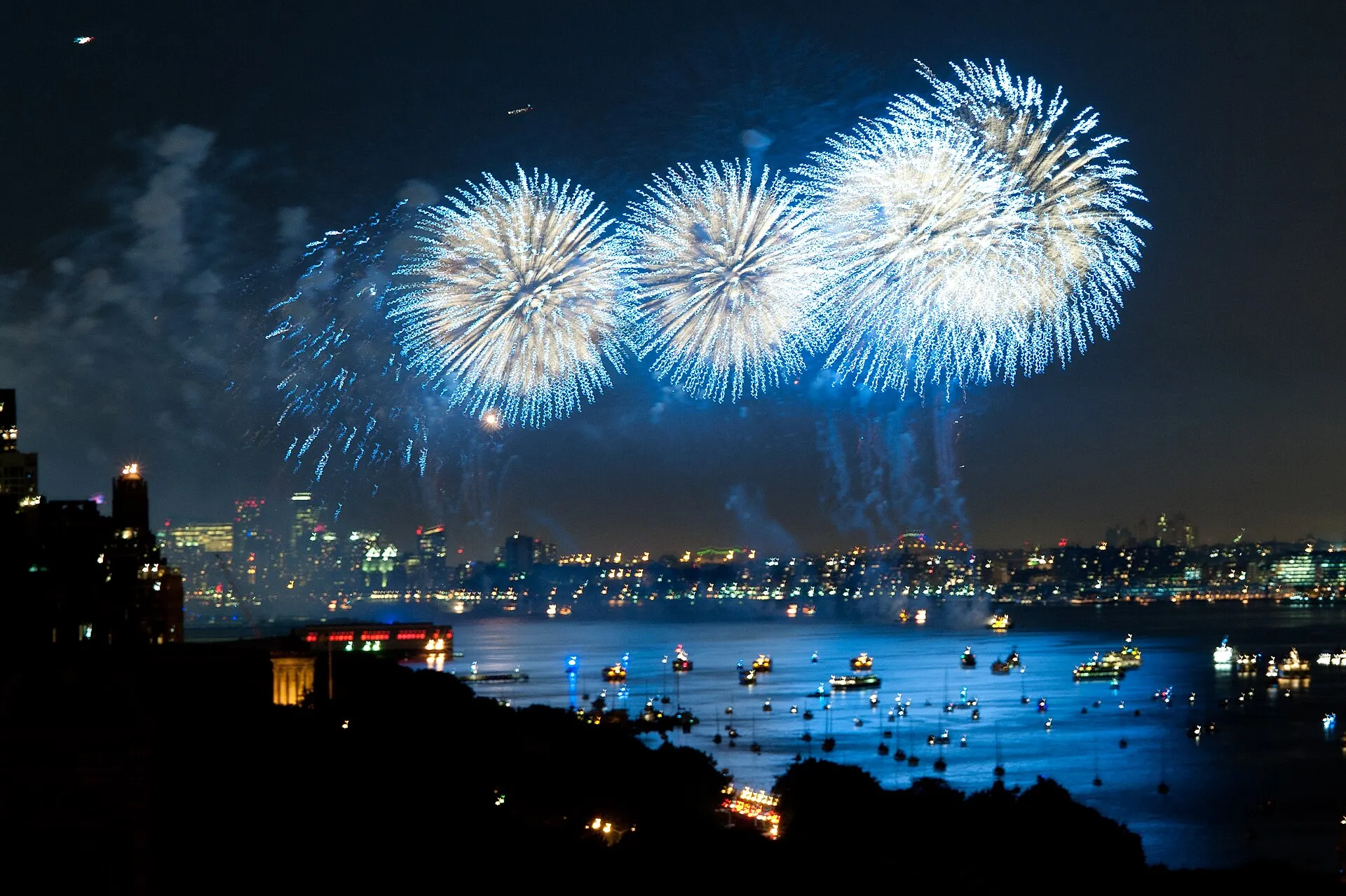
On the twenty-fourth of June the village always lights a fire on the hillside, and nobody sleeps until dawn.
For ten years I did not come. Not because I was not invited — but because I was afraid that everything had stayed the same, and also afraid that it had not.
This year I came. By train, with one rucksack, and with the excuse that I was only visiting my grandmother.
The fire was already burning by the time I reached the top. Around it, a hundred people or so: children holding sticks into the flames, women sitting on the bench, and the men pretending to guard the fire while really just talking.
Dávid was standing on the far side of the fire, and I did not have to look for him — a person finds the silhouette they have not forgotten in ten years.
I did not go over straight away. I took a glass of wine, sat on the edge of the bench, and watched the sparks drift above the flames.
Half an hour later I felt him sit down beside me.
“I thought you weren’t coming,” he said.
“So did I.”
We were not skilful. For the first ten minutes we talked about where everyone had ended up, who had married, who had left. Then the news ran out, and what remained was the silence that had been waiting ten years.
“Why didn’t you come?” he asked.
“Because I thought that if I came back I would have to admit I had got it wrong.”
“And had you?”
I looked at the fire.
“I don’t know. But I know that the trouble that summer was not that I left. It was that I never asked you whether you would come with me.”
Dávid was silent for a long time.
“You didn’t ask,” he said. “But if you had asked, I would have said I’d come.”
That sentence went through me like a knife that does not wound, only opens something.
Around midnight the young ones jumped over the fire. That is the custom: whoever jumps over it stays healthy, and lucky. As children we did it too, every year, and we always jumped at the same moment.
“Do you remember?” asked Dávid.
“Always at the same moment.”
“Then let’s do it now.”
We stood up. By then the fire was only embers, but embers are enough. We took each other’s hands and jumped — not young, not neatly, but the way two adults jump who know the custom is not about magic, but about somebody holding your hand.
On the other side we stopped. His hand was still in mine.
“I’m leaving in the morning,” I said.
“I know.”
“But there is still till dawn.”
We sat down on the hillside, a little away from the fire, and watched the village slowly empty. The air cooled, the grass grew damp, and when the sun finally rose it came so quietly that it seemed to want us not to notice.
Dávid walked me to the station. He asked for nothing and promised nothing. He only said:
“There’s Midsummer next year too.”
“I know,” I said.
I got on. From the window I watched the platform get smaller, and him standing there, not waving, because he is not the type.
Since then I have been there every year. Not because the fire works magic. But because once, ten years late, I learnt that the longest day is not the one with the most light.