At the residents’ meeting the two of us led the two sides: she defended the park, I wanted the car park.
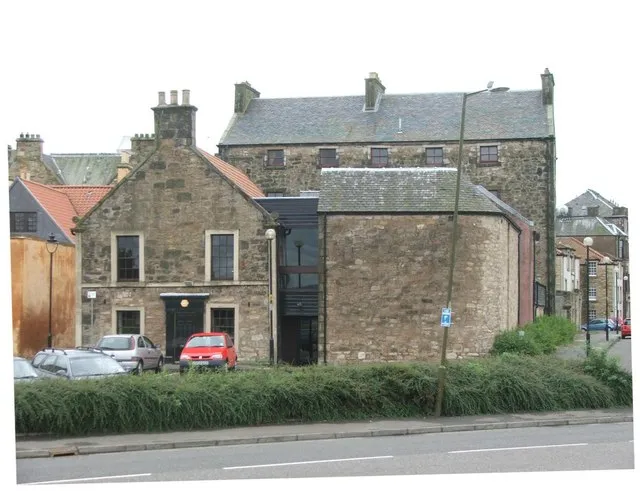
It was not personal. Twelve trees stood in the little square in front of the building, and there were twenty-eight cars in the building. The city offered to build twenty parking spaces in exchange for half the trees.
To me it was obvious. At seven in the morning you cannot park anywhere in the area, and my wife was pregnant — well, she was not then, but we were just thinking about it.
To her it was obvious the other way. The trees were sixty years old. She said that what has been growing for sixty years cannot be cut down for twenty parking spaces.
The meeting lasted three hours. In the end there was no decision: fourteen to fourteen.
That is the worst result, because it means everyone stays equally angry.
In the following weeks we met at the gate every morning, because we both left before seven. At first we only nodded. Then one morning she said:
“I won’t be here tomorrow.”
“Why not?”
“I’m going away for two weeks. I’ll be back before the vote.”
“And if it doesn’t work out?”
“I’m going anyway. The trees aren’t there because of me.”
She left. In those two weeks something happened that I had not expected: I began to look at the trees.
Not because she had convinced me. But because when somebody leaves, you notice what they said. At seven in the morning, when the sun comes from behind the trees, the square looks as if it were not in the same city at all.
On the twelfth day I signed a petition to keep the trees.
Not because my opinion on parking had changed. But because I realised that not everything has to be solved at once.
When she came back, I was standing at the gate.
“I signed it,” I said.
She was surprised.
“Why?”
“Because I tried walking instead of parking.”
That was not true. I drove. But I did not want to explain at length.
In the end a third proposal won the vote: on one half of the square the four oldest trees remain, and on the other there is not a car park but a covered bicycle store, which the building puts up together.
The two of us came up with it. One evening, at the gate, when we were both too tired to argue.
“It’s not a good compromise,” she said. “We both lose.”
“Yes. But the loss is smaller than if the other had won.”
Since then we leave together every morning. We did not plan it. It simply turned out that we set off at the same time, and that it is good to start the day next to somebody with whom you do not have to defend yourself.
The trees stayed. The bicycle store was built. And my wife — who in the meantime really did become my wife — says this is the best thing to come out of that meeting.
Sometimes I think of those three hours when we stood facing each other. At the time I thought two people could not want the same thing.
It turned out we wanted the same thing: for it to be good to live there. We were just looking for it in different directions.