Two of us applied for the exhibition, and the jury could not decide.
Not because we were alike. Because we were exact opposites. I photographed the city in the morning: empty streets, bakers, trams. She photographed the night: shop windows, rain, locked gates.
The curator said that together it would be one exhibition, and separately two halves.
“I’m not working with her,” I said.
“Nor I with him,” she said.
The curator nodded, as if he had expected this, and said we would talk again in two weeks.
Two weeks. Nothing happened in the meantime, except that I began to notice things.
In the first week I went through my own photographs and realised that in my best ones there is always something that is not mine: an open window, an abandoned bicycle, a half-empty glass. Always something somebody else left behind.
In the second week I thought that this was her world. She photographs what has passed.
At the end of the second week I went into the café where I knew she worked. Not because I wanted to discuss it. But because I wanted to look at her pictures.
She was sitting there, looking at her laptop. I sat down beside her.
“I haven’t come to make peace,” I said.
“Then what do you want?”
“To look at your pictures.”
She looked at me for a long time. Then she turned the laptop round.
In her pictures it was the same city as in mine. The same streets, the same corners — only at night, when I was asleep. In one of them there was the gate I had also photographed at dawn. Hers in the rain, lit up. Mine in dew, closed.
“That’s the same gate,” I said.
“I know.”
“Have you seen mine?”
“I have. At the application.” She paused. “I didn’t want to work together because your picture is better.”
That was the sentence I had not expected.
“Not better,” I said. “Different.”
“That’s the same thing.”
It was not the same thing, but I did not argue. We ordered two coffees and talked until two in the morning about what it means to photograph the same city, only at different hours.
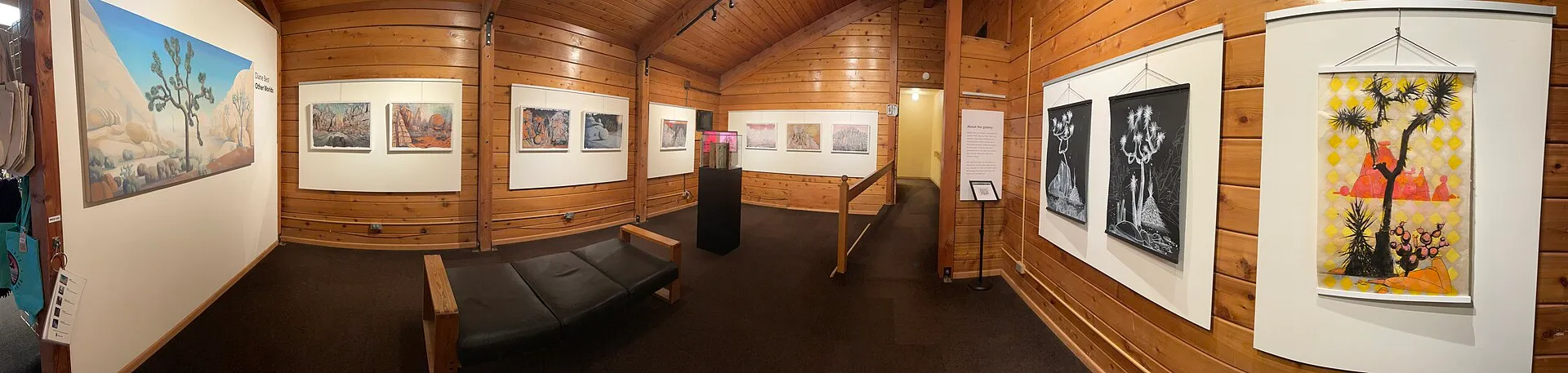
The exhibition opened. On the wall, twenty-four photographs: twelve mine, twelve hers. Not alternating, but side by side, in pairs. One street in the morning, the same street at night.
The curator wrote in the catalogue that this was “one city in two tenses”. To me that was too pretty, but I said nothing.
At the opening a man asked whether we had worked together.
“Yes,” I said.
“Was it difficult?”
I looked across to the other side, where she was standing in front of the wall, explaining something to somebody.
“At first,” I said. “Then it turned out we weren’t competing for the same thing.”
The exhibition was open for two months. After that we did not stop working together, we just carried on differently: every Sunday we went out into the city, she at dawn, I in the evening, and at the end we swapped the pictures.
One Sunday she said:
“Do you know what the best thing about this is?”
“What?”
“That you don’t have to decide who is right. It’s enough that we are both there.”
That sentence has stayed with me, and it is not only about photography.