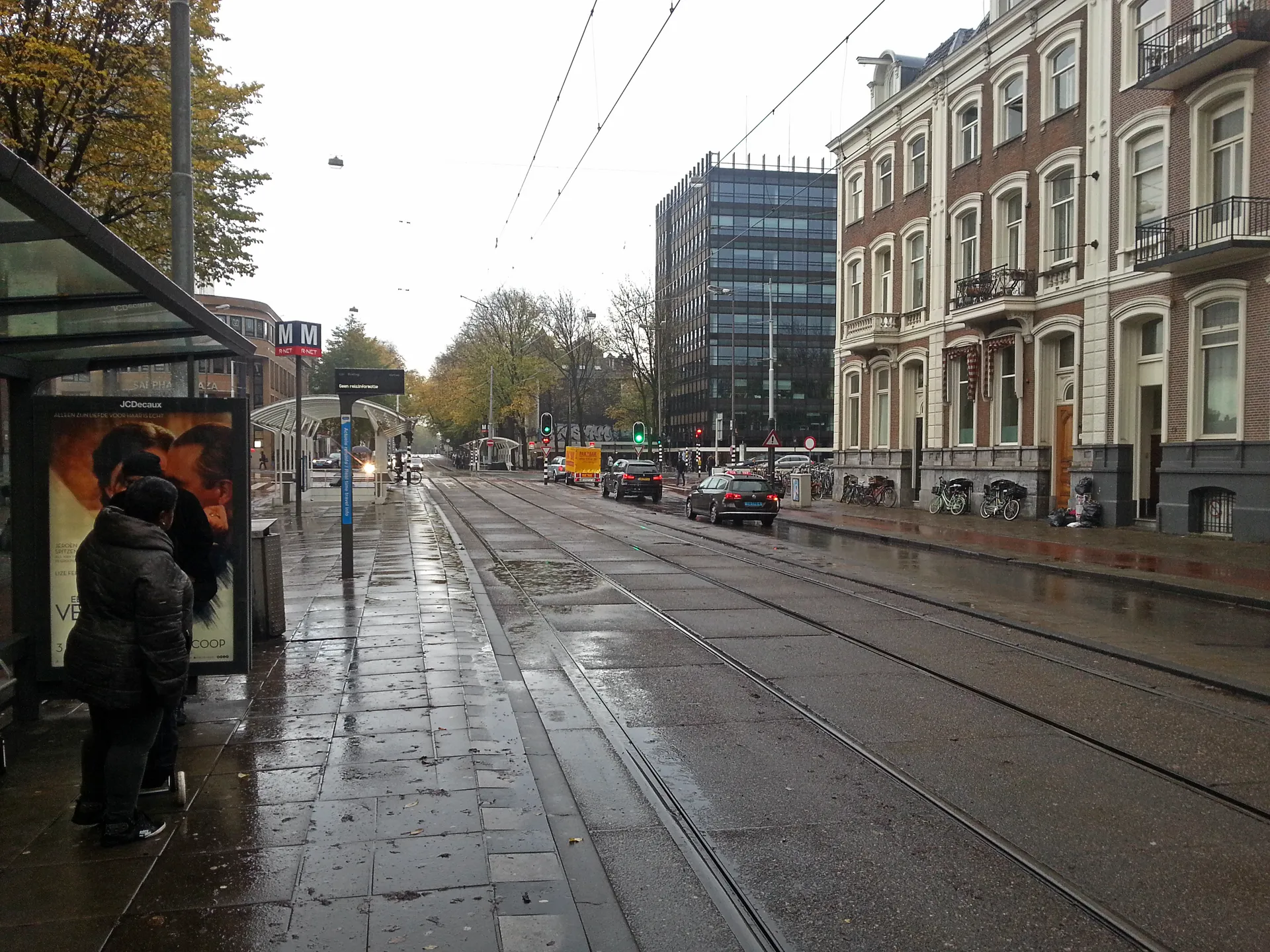
On the third floor of the house opposite, a light comes on every evening at ten and burns until two in the morning.
I know because I go to bed then too. When you live alone in a city, you notice these things. Not because you are spying. But because that is all you can see from your own window.
For six months I saw only the light. Then one evening somebody went to the window and did not draw the curtain.
They did nothing special. They just stood there with a glass of water in their hand and looked out at the street.
Then they noticed that I was looking.
It is the most awkward moment I know. A person does not mean to pry, but between two windows there is nothing but air, and if two people look out at the same time, their eyes meet.
I turned away. So did they.
The next day I did not look out. Nor the day after.
On the fourth day, when I did look out, they were already there, and when they saw me they raised a hand.
They did not wave. They only raised it, like someone saying: it’s all right.
I raised mine too.
That is how it began. We did not talk — how would we have talked, between two windows, across a street six metres wide. But a routine formed: light at ten, a look out at quarter past, a movement at half past. Sometimes a glass. Sometimes a book.
That was the whole of our relationship. It is ridiculous, and yet: never in my life have I waited for ten o’clock so much.
One evening in May the light did not come on.
I waited until eleven, then until midnight. It did not come.
I did not know whom I should notify, because I did not know their name. I did not know exactly which flat they lived in. I knew nothing, only the third floor, and that the light comes on at ten.
The next day it did not come on. Nor the day after.
On the fourth day I went to the house opposite and rang the third floor. I did not know what I was going to say. I think I planned to say: sorry, I’ve come from the house opposite, and I’m worried.
A man opened the door, about my age, and when he saw me he smiled.
“The window across the way,” he said.
“Yes.”
“I went away. To my mother’s. I didn’t say — ” he added, and from his voice it was clear that this had only just occurred to him, and that he felt foolish.
“You didn’t have to say,” I said. “We don’t know each other.”
“But we do,” he said. “Every evening for six months.”
I did not know what to answer to that.
“Would you like to come down for a coffee?” he asked. “Not from the house opposite. Down here. There’s a place on the corner.”
We went down. It turned out that I did know his name — I had read it on the letterbox, I just had not connected it. It turned out that he knew mine, the same way.
We sat in the corner place for two hours, and the whole time we talked about what it had been like watching each other from the other window. It is the stupidest conversation I have ever had, and the best.
Since then we live together. The windows are still there, opposite each other, but we no longer have to look out to see each other.
Sometimes, though, around ten, we both go to our own window and wave.
Not because we have to. But because it is good to know that in a city where millions live, there is one light that is mine.