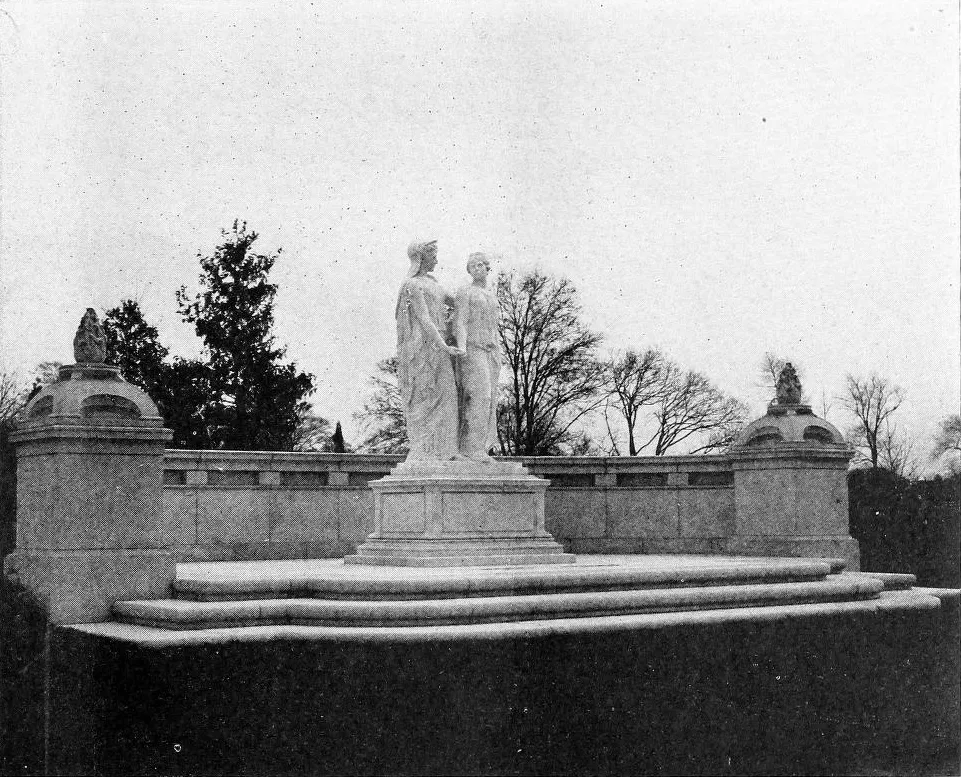
Above the city, on a tall column, stood the statue of the Happy Prince.
Its whole body was covered with thin leaves of gold, its eyes were two shining sapphires, and in the hilt of its sword there was a great red ruby.
The people of the city were proud of it, and everyone praised it.
“It is as beautiful as a weathercock,” said one of the councillors.
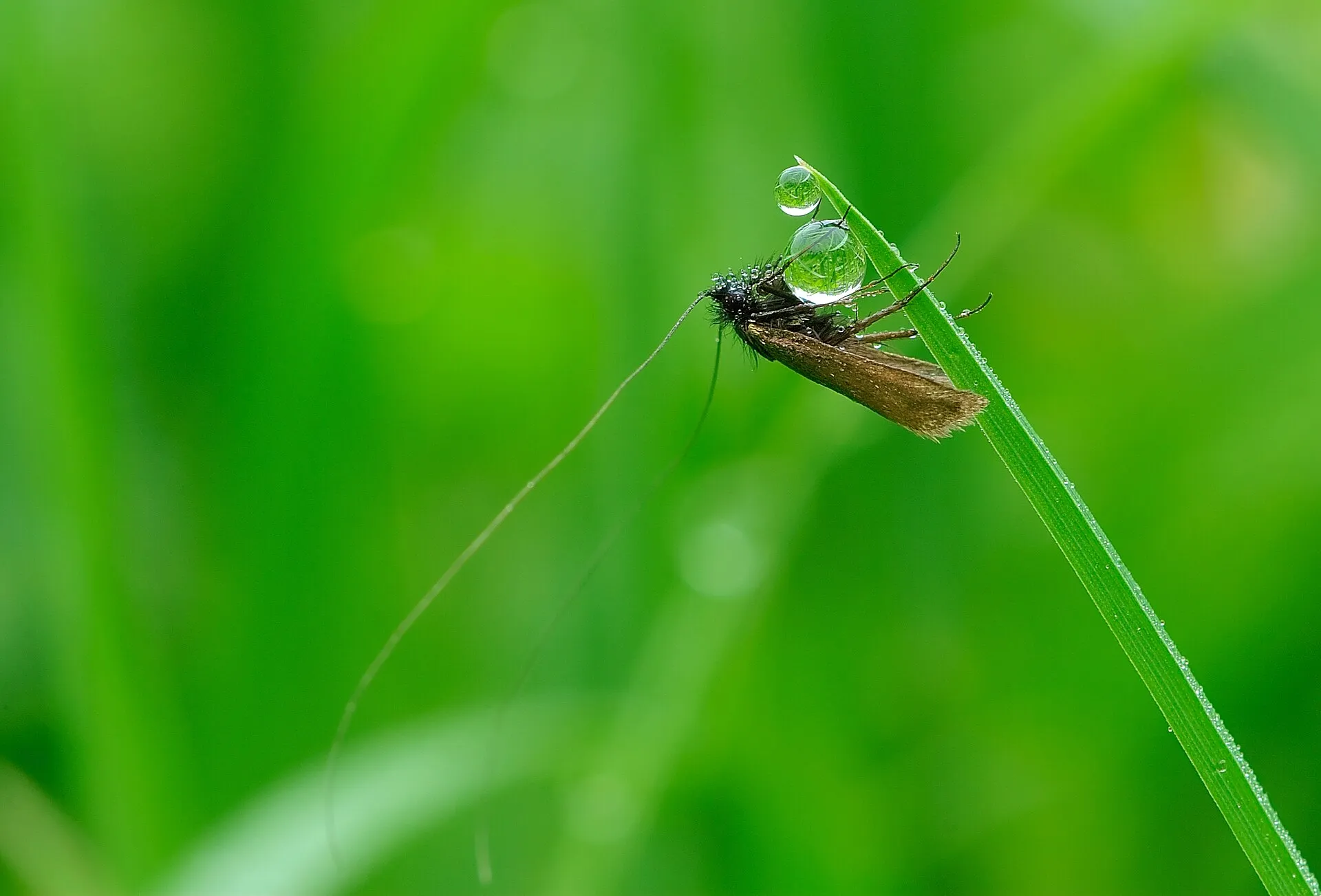
One evening a little swallow came over the city.
The swallow had fallen behind the others, because it had fallen in love with a reed and stayed beside her all summer.
By the time it set out for Egypt it was tired, and it decided to spend the night at the foot of the statue.
As it settled itself, a drop fell on it.
The swallow looked up, and saw that tears were falling from the statue’s eye.
“Why are you crying?” asked the swallow. “You are so beautiful.”
“When I was alive I did not know sorrow,” said the prince. “Now I see the city from above, and I see how much sadness there is in it.”
“At the far end of the city a poor woman sits, and her son is ill,” he went on. “She has no fire, and the boy is feverish. Take her the ruby from my sword.”
The swallow pulled out the ruby and carried it to the poor woman.
When it came back it told the prince that it was very tired; and the prince’s heart warmed the whole statue.
The next day the swallow meant to set out for Egypt, but the prince asked it to stay one more night.
“There is a young writer in the city,” he said. “He is cold, he is hungry, and he cannot finish his play. Take him one of my eyes.”
The swallow did not want to take it, because it was afraid the prince would go blind, but in the end it carried the sapphire away.
The prince watched the city with one eye, and asked the swallow to stay a little longer.
“In the square there is a little girl who sells matches,” he said. “She has lost her shoes, and she does not dare go home. Take her my other eye.”
The swallow carried it away, and the prince was quite blind.
“Now I cannot see,” he said. “But I hear the city. Stay with me and tell me what you hear.”
The swallow flew round the city and told him what it saw: hungry children, poor old people, cold rooms.
The prince said: “Take the gold leaves off me and carry them to them.”
The swallow stripped off the gold and gave it out among the poor.
The children were fed, and they laughed in the street.
Then winter came. The swallow did not set out, because it had come to love the prince.
One morning the swallow froze at the foot of the statue.
And the prince’s leaden heart split in two, because it could not bear the sorrow.
The next day the city’s leaders came down to the square and looked at the statue.
“How shabby,” they said. “And how ugly. It must be melted down.”
The gold and the metal were carried off, and the leaden heart and the dead bird were thrown on the rubbish heap.
The angel who walked above the city then carried to God the two most precious things it had found.
“The leaden heart and the dead bird,” it said.
And those two remained there, in that garden where the bird sings for ever.