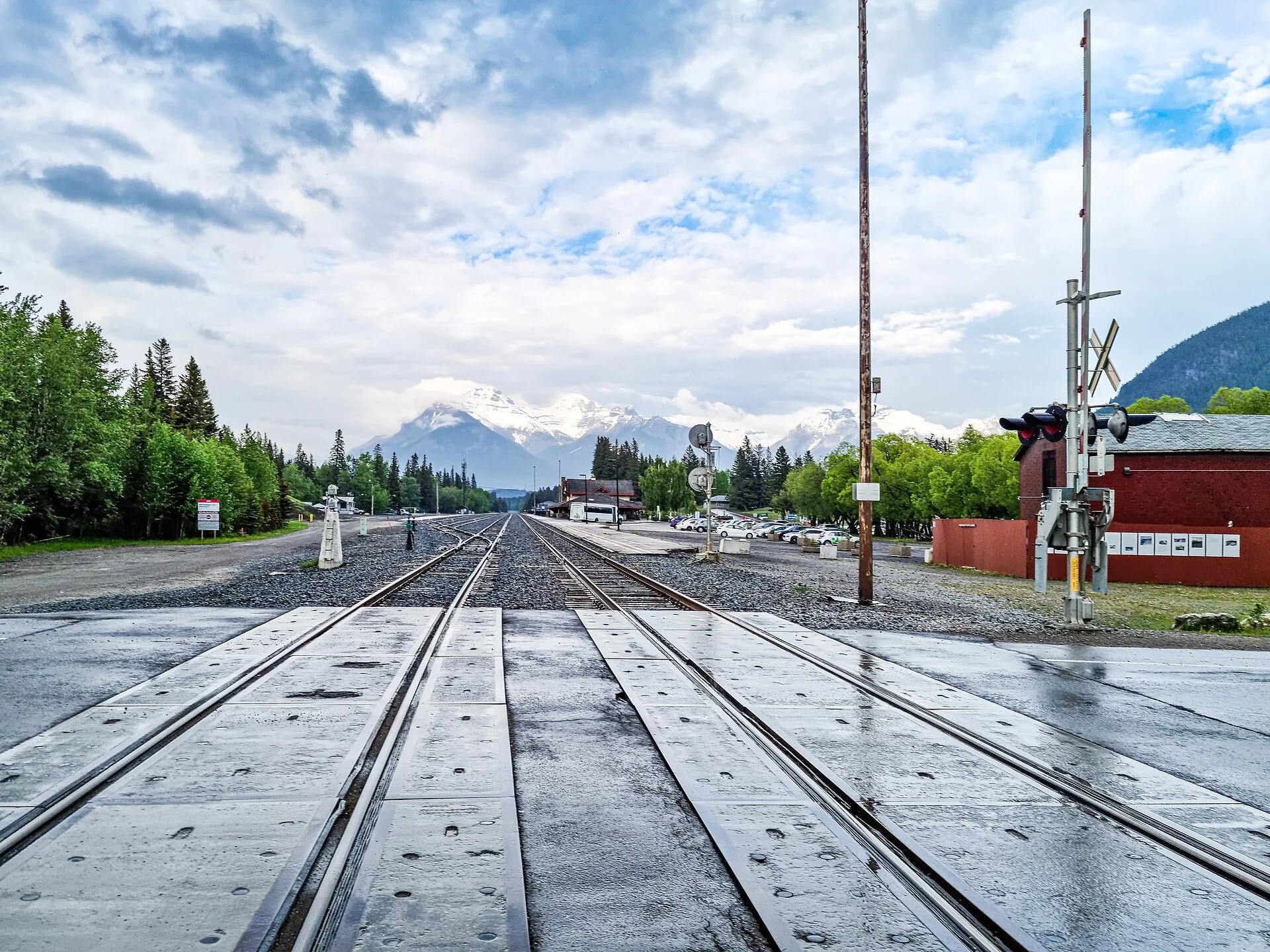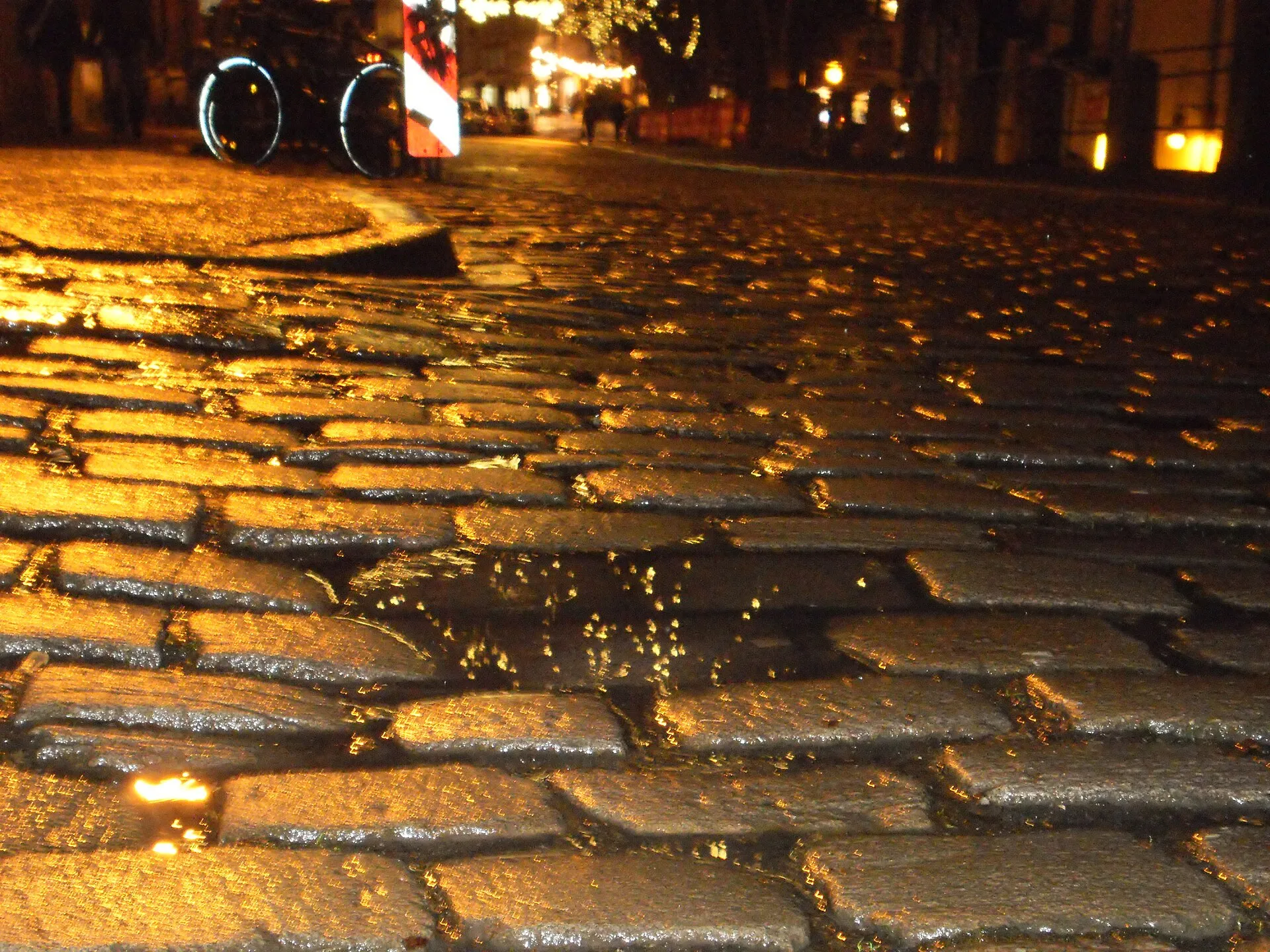
The rain stopped around five, and when I stepped out of the door the city gave off a smell I have known since childhood: wet asphalt, leaves, and something that cannot be named.
That smell is the best thing in the world. Not because it is pleasant. But because it reminds me.
I did not want to go home. That was not a mood, it was a fact: nobody was waiting in the flat, there was nothing in the fridge, and the day was ending without anything having happened in it.
I set off. I did not know where. In a city that is the best thing a person can do: not to plan, only to go.
At the third street a woman caught up with me, who was also not hurrying.
“Excuse me,” she said, “do you know which way Heroes’ Square is?”
I told her. Then I added:
“But if you’re going that way, you’d better go the other way. Everything there is dug up at the moment.”
“How do you know?”
“Because I came that way this morning.”
I thought that was that. But she did not leave. She set off beside me and said:
“Then show me the better way.”
That was cheeky, and I liked it.
We walked. We did not talk much. She had come to Budapest for two days, for a conference, and was going back at dawn the next day. I had lived here for eleven years and had never shown this city to anybody.
This is the strangest thing: a person in the city where they live is not a tourist. They do not look at things, because they think they have time.
But when you have to show somebody, suddenly you see it.
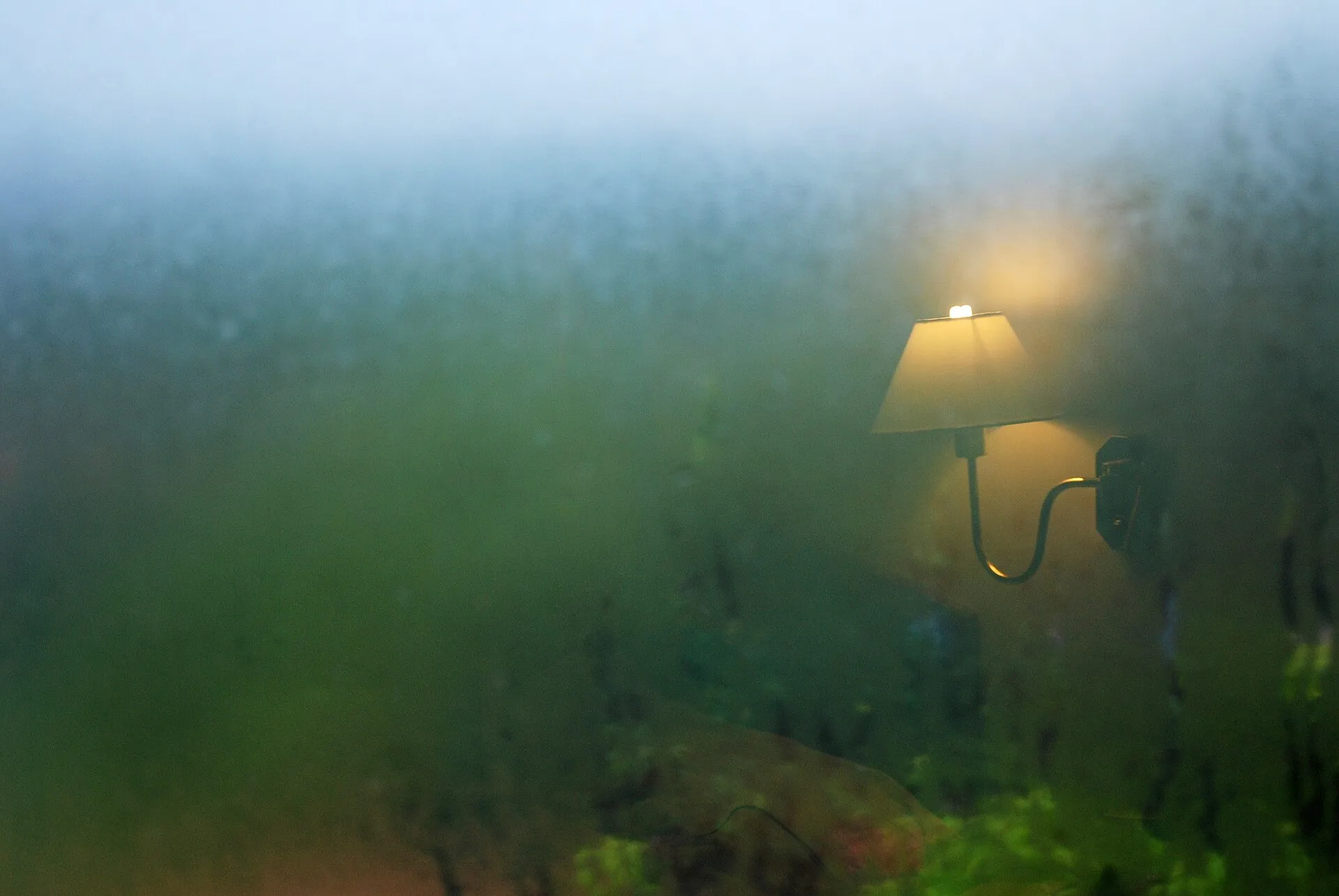
I showed her the bridge, because the bridge is always good in the evening. I showed her the street where there is nothing but an old lamp that turns the whole street yellow. I showed her the bookshop that has closed but still has the same book in the window.
“You love this city,” she said.
“I don’t know. I always want to leave.”
“Then why are you showing it to me?”
I could not answer that. I think because that evening I did not want to be alone, and because it is easier to show a stranger the things you do not usually show your friends.
At nine she said she had to go. Her accommodation was on the other side.
“I’ll walk you back,” I said.
“You don’t have to.”
“I know. But after rain it is always good to walk.”
I walked her back. In front of the hotel we stopped, and I did not know what to say. Evenings like that have no good ending: either something comes of it or it does not, and you cannot decide that in advance.
“Thank you,” she said. “This evening I thought I would be having dinner alone with a sandwich in my room.”
“And?”
“And now I won’t be.”
She did not invite me in. She did not ask for my phone number. She said:
“If you are ever near where I live, let me know. I’ll show you my city too.”
“How will I know where you live?”
“You won’t. That’s the point.”
She left. I stood in front of the hotel and watched the lamps reflected in the wet asphalt.
I do not know who she was. I do not know her name. But that evening, when I got home, for the first time in eleven years I felt that the question was not how well I knew the city.
It was whether there was somebody I wanted to show it to.
Since then, after every rain, I go out for a walk. Sometimes alone. Sometimes not.
And every time the rain stops and that smell comes, I think of that evening.